There was a time when a fashion purchase ended the moment you paid for it. You picked out a dress, a pair of shoes, or a handbag, took it home in whatever bag the store handed you, and that was that. Today the story doesn’t stop at checkout. For a growing number of shoppers, the moment a package lands on the doorstep is where the real experience begins.

Scroll through any fashion or lifestyle account online and you’ll notice how often “unboxing” shows up, not as a niche hobby but as genuine content people want to watch. A folded tissue paper reveal, a ribbon pull, a satisfying magnetic box closing shut. None of that changes how a sweater fits or how a necklace catches the light, yet it shapes how the product feels the instant it’s in someone’s hands. Packaging has quietly become part of what people are actually buying.
This shift matters for brands of every size, not just the luxury houses with unlimited design budgets. A thoughtfully packaged order from an independent designer can leave a stronger impression than a rushed, generic box from a bigger name. What follows is a closer look at why packaging has earned its place in the fashion conversation, and how brands can use it without overthinking or overspending.
Why Packaging Matters in Fashion
Before a customer ever tries on a garment or clasps a bracelet, packaging is already speaking on the brand’s behalf. It signals whether a company pays attention to detail, whether it values craftsmanship, and whether the price tag matches the experience being delivered.
Think about the difference between receiving a blouse stuffed into a plastic mailer versus one folded neatly inside tissue paper, tucked into a sturdy box with a printed thank-you card. The blouse might be identical. The perception of its worth is not. Customers are drawn to comparing that first physical impression against the price they paid, and packaging either supports that price or quietly undermines it.
There’s also a practical layer to this. Good packaging protects delicate fabrics, structured bags, and fragile accessories during shipping, which reduces returns and damage complaints. So the appeal isn’t purely emotional. It’s functional too, and the best fashion brands treat those two goals as connected rather than separate.
Packaging as an Extension of Fashion Brand Identity
Every visual choice a fashion label makes, from its logo to its color palette to the font on its labels, tells a story. Packaging is simply another surface for that story to continue.
A minimalist skincare-adjacent fashion label might lean into soft neutral tones, embossed logos, and matte finishes to suggest calm and quality. A streetwear brand might do the opposite, using bold typography, saturated colors, and unconventional box shapes to match its energy. Neither approach is more “correct.” What matters is consistency. If a brand’s website feels sleek and modern but its packaging arrives looking like an afterthought, the disconnect is jarring and customers notice.
Materials play into this identity too. A brand built around natural fibers and earthy aesthetics benefits from packaging that echoes that, think raw kraft paper, twine, and stamped logos rather than glossy plastic. A brand positioned as high-glamour eveningwear might choose rigid boxes with satin ribbon and foil lettering. The packaging becomes a physical extension of everything the brand already communicates online.
Companies offering custom packaging solutions, such as BoxyPack , have made it easier for fashion brands of all sizes to translate their visual identity into tangible packaging, whether that means custom box dimensions, branded interior printing, or specific finishes that match a brand’s existing aesthetic. For smaller labels especially, working with a dedicated packaging partner can be the difference between generic shipping materials and something that actually feels considered.

The Psychology Behind a Memorable Unboxing Experience
There’s a reason unboxing videos generate so much engagement. Opening a package taps into anticipation, and anticipation is one of the most powerful emotional states a brand can trigger. The wait between placing an order and opening the box already builds excitement. Thoughtful packaging rewards that wait instead of deflating it.
Small sensory details do a lot of the work here. The sound of tissue paper unfolding, the texture of a ribbon, the faint scent some brands add to their boxes, all of these register subconsciously and get associated with the brand itself. Customers may not be able to articulate why a purchase felt special, but they’ll remember that it did.
There’s also a social dimension. A well-designed unboxing moment is something people want to photograph and share, turning a private purchase into public brand exposure without the brand spending a cent on that particular impression. For fashion companies that rely heavily on social discovery, this organic sharing can matter as much as a paid ad campaign.
Choosing the Right Packaging Materials
Not every fashion product calls for the same packaging approach, and choosing well often comes down to matching material to purpose.
Kraft and recycled cardboard work well for everyday apparel brands that want a warm, grounded feel without heavy costs. They’re affordable, easy to brand with simple printing, and align naturally with a sustainable image.
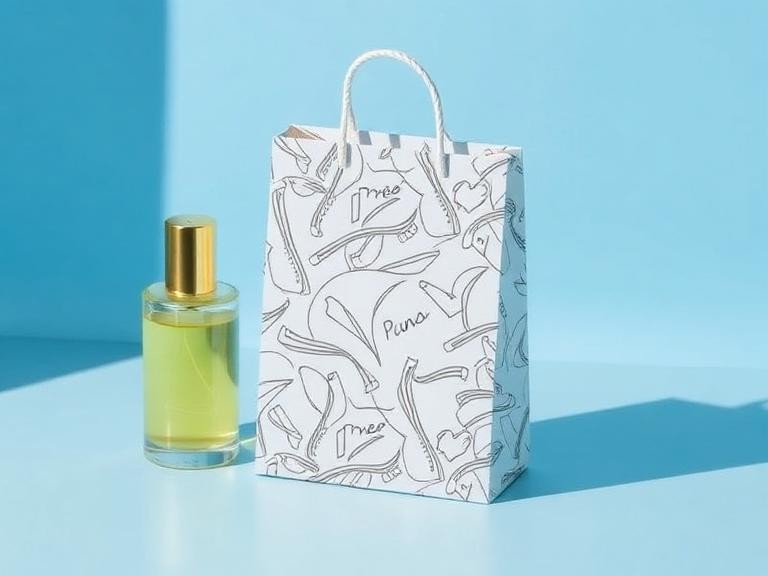
Corrugated boxes offer more structural protection, making them a solid choice for shoes, bags, and anything with rigid components that could get crushed in transit. Rigid boxes, the kind often used for perfume or fine jewelry, create a heavier, more substantial feel the moment someone lifts the lid, which suits higher price points.
Reusable packaging, such as fabric drawstring pouches or boxes designed to double as storage, adds ongoing value beyond the initial delivery. A customer who keeps a jewelry box on their dresser continues to see the brand’s name long after the purchase is done.
The right material choice isn’t about picking the most expensive option. It’s about matching the packaging’s weight, texture, and durability to what’s inside and to what the brand is trying to communicate.
Sustainable Packaging Is Changing Fashion
Sustainability has moved from a nice-to-have to something customers actively expect, particularly among younger shoppers who research a brand’s practices before buying. Fashion, an industry historically criticized for waste, has felt this pressure acutely, and packaging is one of the more visible places brands can respond.
Recyclable and biodegradable materials, minimal use of plastic, soy-based inks, and packaging sized appropriately for the product rather than oversized boxes with excess filler are all becoming standard practice rather than a marketing gimmick. Some brands have gone further, introducing take-back programs or packaging designed for a second life, like boxes that convert into gift wrap or storage containers.
The interesting part is that sustainable packaging doesn’t have to look stripped down or plain. Kraft paper, recycled cardstock, and soy-based printing can still be designed beautifully, proving that responsible sourcing and premium presentation aren’t mutually exclusive.

How Packaging Can Strengthen Customer Loyalty
People remember how a brand made them feel, and packaging is a surprisingly effective loyalty tool because it reaches customers at a moment when their guard is down and their attention is fully on the brand.
A handwritten note, a small sample included as a surprise, or packaging thoughtful enough to photograph all encourage repeat purchases in ways that discount codes alone rarely achieve. Customers who feel genuinely delighted are more likely to talk about the brand to friends, post about it online, and return for future purchases simply because the experience matched or exceeded their expectations.
This doesn’t require a large budget. Even a small, consistent touch, like a signature tissue paper color or a recurring thank-you message, builds recognition over time. Customers start to associate that detail specifically with the brand, which is a form of loyalty money can’t directly buy.
Packaging Ideas for Different Fashion Products
Different categories call for different packaging strategies.
Clothing benefits from soft folding techniques, acid-free tissue paper to prevent yellowing, and boxes or mailers sized closely to the garment to avoid excess movement during shipping.
Shoes often arrive in their original manufacturer boxes, but brands can elevate this with an outer shipping box that includes branded tissue, a shoe bag, or a printed care card.
Jewelry deserves extra attention to protection and presentation, think foam inserts, velvet pouches, or small rigid boxes that double as keepsake storage.
Handbags and larger accessories do well with dust bags made from breathable fabric alongside sturdy outer boxes, both protecting the item and reinforcing a premium feel.
Cosmetics and beauty-adjacent fashion products often use compact, secure inserts to prevent breakage, paired with minimalist outer packaging that photographs well for social sharing.
Luxury products across any category tend to lean into heavier board stock, magnetic closures, and tactile finishes like soft-touch coatings or foil stamping, all signaling the price point before the box is even opened.

Creating a Premium Look Without Overcomplicating Packaging
It’s easy to assume premium packaging means adding more, more layers, more embellishments, more elaborate structures. In practice, restraint often reads as more expensive than excess.
Clean typography, generous white space, a limited color palette, and quality paper stock can outperform a busy design covered in patterns and decorations. A single well-placed logo embossed into a lid often looks more sophisticated than a box printed edge to edge with graphics. Finishing touches like matte lamination, spot UV coating, or a satisfying box structure that clicks shut do more heavy lifting than people expect.
The goal isn’t to impress with complexity. It’s to make every element feel intentional, from the weight of the paper to the way the box opens, so the whole experience feels cohesive rather than assembled from mismatched parts.

Conclusion
Packaging has moved well beyond its original job of simply getting a product from point A to point B. For fashion brands, it now plays an active role in shaping how customers perceive quality, craftsmanship, and value, often before a single item is worn. From the materials chosen to the small emotional details built into an unboxing moment, packaging has become a genuine extension of a brand’s identity and a meaningful touchpoint in the overall customer relationship. Brands that treat packaging as an afterthought risk undercutting everything else they’ve worked to build. Those that invest thought, even modest thought, into how their products arrive tend to see the payoff in repeat customers, organic social sharing, and a stronger overall impression. In a market where customers have endless options, that first physical impression might matter more than ever.