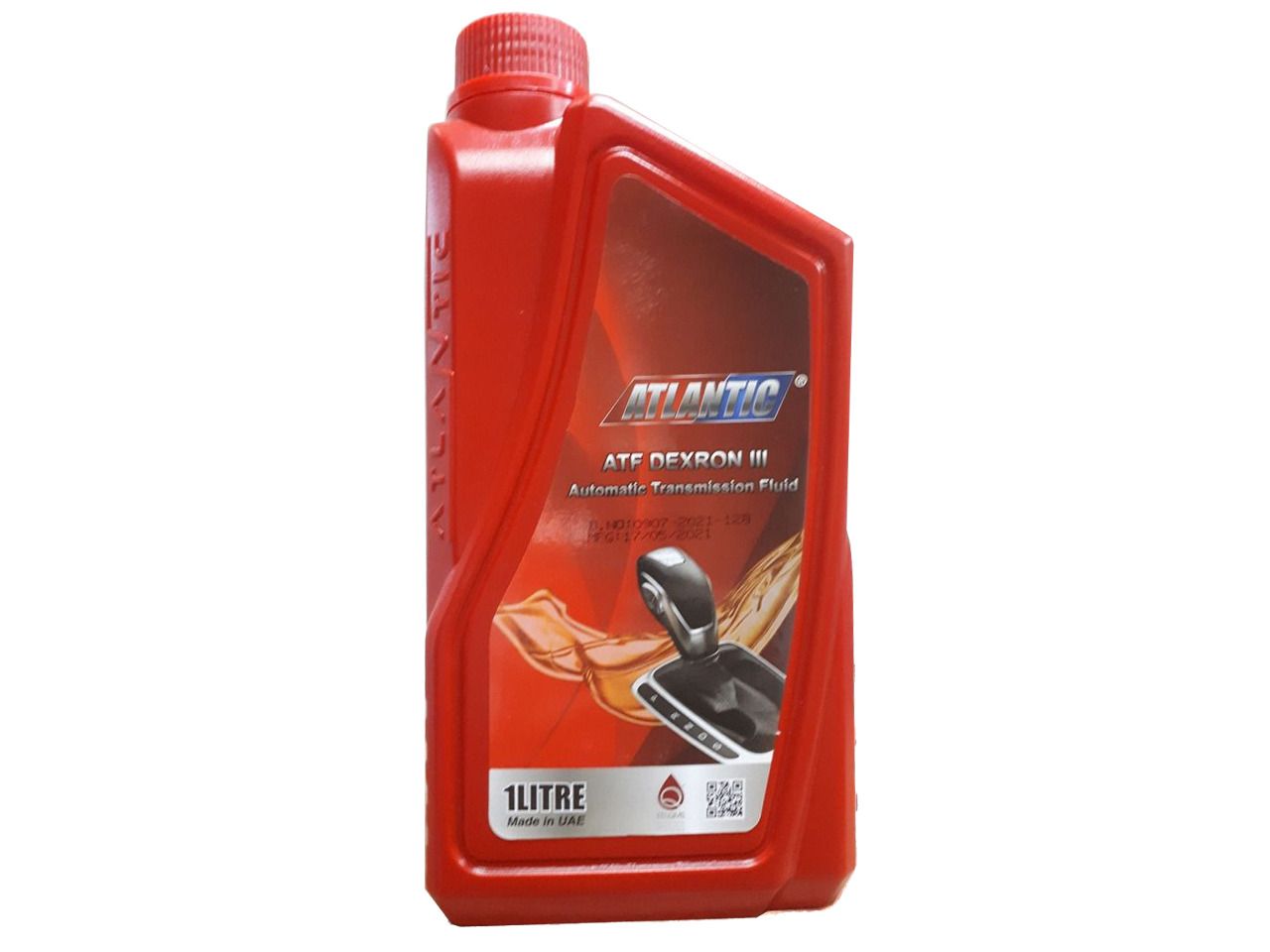
Are you curious about the unsung hero that ensures your car’s smooth and effortless gear shifts? Look no further – it’s the Automatic Transmission Fluid (ATF). Often abbreviated as ATF, this specialized lubricant is indispensable in automatic transmissions. We will look into the details of discovering its secrets, functions, and the crucial role it plays in preserving your transmission’s longevity and automatic transmission fluid supplier.

Decoding ATF: The Unsung Hero of Automatic Transmissions
What Exactly is ATF?
ATF, or Automatic Transmission Fluid, is no ordinary fluid. It’s a carefully crafted elixir tailor-made for automatic transmissions. This remarkable concoction serves dual purposes as both a hydraulic fluid and a lubricant. Picture it as the lifeblood of your transmission system, enabling seamless shifts and optimal performance.
The Marvelous Composition of ATF
Behind ATF’s wondrous capabilities lies a precise blend of base oils and additives working in harmonious tandem. These base oils could be mineral-based, synthetic, or even a fusion of both. The additives, on the other hand, are the true game-changers. They’re responsible for enhancing ATF’s viscosity, resistance to oxidation, friction management, and anti-wear prowess.
The Multi-Faceted Functions of ATF
Powering the Transmission: A Hydraulic Marvel
ATF’s first feat is its role as a hydraulic fluid, orchestrating the transmission’s power dance. As you shift gears, ATF creates the necessary hydraulic pressure that choreographs the intricate movements of clutches, bands, and valves. This hydraulic prowess ensures that gear changes are as smooth as a choreographed ballet.
Lubrication and Cooling: A Dynamic Duo
Friction is the enemy of mechanical systems, and this is where ATF steps in as a hero. Providing lubrication to the transmission’s moving parts safeguards them from the ravages of wear and tear. Furthermore, ATF goes the extra mile by dissipating the heat generated within the transmission, ensuring that things run smoothly at optimal temperatures.
A Cleaning Connoisseur
Ever heard of a fluid that cleans as it goes? ATF is that magical elixir. Infused with detergents and dispersants, it has the power to cleanse and suspend detrimental contaminants like metal particles, sludge, and varnish. This cleansing process prevents the accumulation of debris, ensuring that your transmission’s components continue to function flawlessly.
The Importance of Regular ATF TLC
Monitoring Fluid Levels and Condition
Keeping a vigilant eye on your ATF’s level and condition is akin to a health check for your transmission. Low fluid levels spell inadequate lubrication and heightened friction, while contaminated or deteriorated fluid can cause overheating, slippage, and hastened wear.
Timing is Key: Fluid Change Intervals
Manufacturers provide guidelines for ATF changes based on factors like mileage, driving conditions, and the ATF type used. Adhering to these recommendations ensures that your fluid safeguards your transmission components effectively.
The Leak Dilemma
Periodically examining your transmission for leaks is an essential ritual. Leaks can lead to decreased fluid levels, jeopardizing both performance and longevity. If a leak surfaces, timely repairs and fluid restoration are crucial.
Navigating the ATF Maze: Choosing Wisely
Manufacturer’s Mandate
The wisdom of your vehicle’s manufacturer is paramount when selecting ATF. Their recommendations regarding ATF type and specifications are your guiding stars. An ATF mismatch can lead to costly transmission malfunctions.
Unveiling ATF Varieties
ATF comes in a spectrum of varieties, such as Dexron, Mercon, and CVT fluids. Each variation is tailored to specific transmission systems. Ensuring you’ve got the right ATF for your ride is akin to finding the perfect puzzle piece.
Quality Assurance
Opting for ATF from reputable manufacturers adhering to industry standards is a savvy move. Quality ATF should boast the essential additives and properties needed for effective lubrication, heat resistance, and protection.
The Evolutionary Odyssey of ATF
From Humble Beginnings
The tale of ATF is one of evolution. Its early days featured mineral-based oils with minimal additives, serving their basic purpose but craving more sophisticated capabilities to meet modern transmissions’ demands.
The Age of Additives
The automotive realm embarked on an additive revolution, realizing the call for advancement. This heralded the incorporation of premium additives like friction modifiers, anti-wear agents, and viscosity enhancers. These additives elevated ATF’s efficiency, minimized wear, and fine-tuned transmission operations.
The Synthetic Revolution
The arrival of synthetic ATF marked a pivotal milestone. These synthetic wonders boast superior thermal stability, resistance to oxidation, and unmatched lubricating prowess compared to their mineral counterparts. They stand strong against high temperatures, stave off fluid degradation, and fortify transmissions against extreme conditions.
Embracing the CVT Era
The rise of continuously variable best automatic transmission fluid ushered in a new dawn. Tailored CVT fluids emerged, boasting unique friction profiles designed for these specialized systems. These fluids ensure optimal power transmission efficiency, cementing their place as CVT’s perfect partners.
Monitoring ATF Levels
Routine ATF checks, aligned with your vehicle’s manual, are essential. Generally, checking during oil changes or every 30,000 to 60,000 miles is prudent. But remember, specifics vary based on your vehicle and how you drive.
A Crucial Caretaker
ATF, the uncelebrated hero of automatic transmission systems, plays a vital role in maintaining smooth gear shifts, efficient power transmission, and protection against friction, wear, and excessive heat. Although it may seem like a simple lubricant, ATF performs several important functions within the transmission, including lubricating moving components, supporting hydraulic pressure, controlling friction between clutch components, and helping manage operating temperatures. The right fluid allows the transmission to function efficiently under different driving conditions while helping protect its internal components from unnecessary stress and deterioration.
Regular maintenance and the correct ATF type are essential for maintaining reliable transmission performance over time. Since different vehicles and transmission technologies can have specific fluid requirements, the manufacturer’s recommended specification should always be checked before selecting or replacing ATF. Using an unsuitable fluid can affect shifting performance, lubrication, temperature control, and component protection. Suppliers and automotive professionals can also provide useful guidance when selecting a suitable product for a particular transmission application.
Proper ATF maintenance also involves monitoring the fluid condition and following the recommended service intervals. Over time, transmission fluid can become contaminated or lose some of its performance characteristics due to heat, friction, and extended use. Regular inspection and timely fluid replacement, where recommended by the manufacturer, can help maintain the desired operating conditions inside the transmission. Maintaining the correct fluid level is equally important because insufficient or excessive fluid can affect transmission operation.
Navigating the ATF Mysteries
ATF and manual transmissions are not a match because they are designed for different lubrication requirements. Manual transmissions typically require specific gear oils, while Automatic Transmission Fluid (ATF) is specially formulated for automatic transmission systems. ATF does more than lubricate; it helps reduce friction, manage heat, transfer hydraulic pressure, support smooth gear shifting, and protect internal components from wear, oxidation, and corrosion. Choosing the correct fluid is important because different vehicles and transmission technologies have different specifications. Conventional automatic transmissions, CVTs, and DCTs may require different types of transmission fluids, so one fluid should not automatically be substituted for another. When considering the automatic transmission fluid price in UAE, buyers should look beyond cost and compare specifications, formulation, application, packaging, quality, availability, and supplier reliability. Checking the vehicle manufacturer’s recommended fluid specification or technical data sheet can help ensure compatibility and proper transmission performance. For workshops, distributors, and automotive businesses, selecting the right ATF can support reliable operation, smooth shifting, and long-term protection of transmission components. Understanding the differences between ATF, gear oil, CVT fluid, and other specialized lubricants makes it easier to choose a suitable product for the intended application.