Introduction
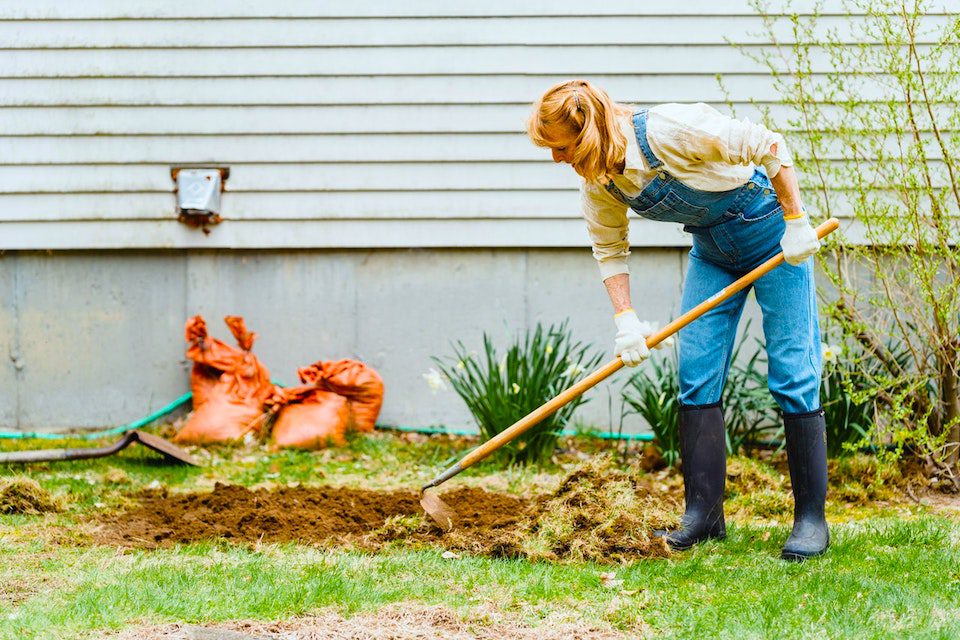
Your outdoor area can look better with a beautiful, eco-friendly garden. This gives your home a fresh look and creates a true sense of home. But fallen leaves, weeds, withered limbs, and rubbish of all sorts are quickly swept away in gardens. With frequent cleaning and minimal maintenance, you will have a clean, safe, and beautiful garden year-round.

Remove Fallen Leaves and Waste of Garden
Leaves on the ground, dried grass, little branches, and various plants may be built up in a garden. When they remain on the ground too long, they can make the field look unclean and provide places for insects to shelter.
Get used to disposing of garden waste regularly. You can rake leaves and discard them in a compost heap and leave the appropriate plant debris in a compost pile. Waste elimination keeps the garden clean and gives plants better access to air.
Maintain Control of Weeds
Unwanted plants that compete for water and nutrients at the expense of flowers, grass, and other plants are called weeds. If left unchecked, they can grow rapidly and take over garden beds.
Check your garden often and remove weeds before they grow big. Pull them out by the root when possible. Frequent weeding simplifies garden care and gives your plants more space.
Trim Overgrown Plants
Trim trees and bushes regularly to keep them neat and healthy. When branches grow excessively large, they block air and sunlight. Plants may also look unhealthy because of dead or damaged branches.
Use clean, appropriate garden tools to trim plants. Remove dead growth and trim overgrown bushes. For large trees or difficult branches, ask a trained professional for help.
Clean Garden Paths
Dirt, leaves, moss, and weeds tend to build up on garden paths. A slippery or dirty path from rain or watering can dangerous to walk on.
Sweep the leaves and other litter. If it’s covered with moss or dirt, wipe it clean. Maintaining paths enhances the attractiveness and safety of your outdoor space.
Tend to the Lawn
An attractive garden includes a healthy lawn. Nevertheless, grass may grow too long, dry out, or harbor weeds without proper attention. You can find the right professional for regular garden maintenance by searching for garden cleaning services near me.
Mow the grass when it grows too long, and rake up large quantities of dead grass. Water the grass as needed, and do not overwater. Mowing, watering, and cleaning help keep your lawn healthier and greener.
Clean Garden Furniture
Garden furniture is subject to dust, dirt, leaves and bird droppings. Dirty furniture can make a beautiful garden look neglected.
Mop down unclean outdoor furniture, including chairs, tables, and benches. Apply the appropriate cleaning agents depending on the material. Keeping furniture clean not only improves appearance but also makes your garden more comfortable for family members and guests.
Remove Standing Water
Standing water may form a serious garden problem. Water left in pots, containers, buckets, or other places can become a breeding ground for mosquitoes and other insects.
After watering or rain, check your garden and remove any unnecessary standing water. Ensure that the pots containing plants are well drained. Proper drainage prevents plant damage and also reduces the risk of dirty, harmful outdoor areas.
Pest Check Plants
Insects and other pests may be attracted to garden plants. Check leaves, stems, and flowers to determine whether they are damaged. Small holes in leaves, red spots, or greasy areas may indicate a problem.
Once you identify pests, controlling them becomes easier. Store damaged leaves and fallen plant material off healthy plants. If the issue is severe, seek guidance from a garden expert.
Keep Facilities Clean.
Keep garden tools clean and well maintained. Tools that come in contact with dirt or vegetation may become hard to use. Contaminated tools can also spread disease between plants.
Wipe off soil and plant waste after using tools. Allow them to dry, and then store them in a clean, dry environment. Well-maintained tools may last longer.
Compost Proper Garden Waste
Garden waste may be used to create valuable compost. Some vegetation materials, such as leaves, grasses, and other plant matter, can provide organic material for composting.
Compost can enhance soil quality and enrich plants with nutrients. Nevertheless, do not put ailing plants, plastics, chemicals, and unwanted waste into your compost heap. Proper composting also helps minimize waste and supports a healthier garden.
Hire Cleaning Services
Gardening is time-consuming, especially in spacious areas with many trees and plants. Busy homeowners may not manage all cleaning chores regularly.
Tasks you can leave to professional cleaners include clearing plants, trimming, mowing the grass, cleaning paths, and clearing overgrown areas.
Establish a Routine Cleaning Program
When you have a timetable to stick to, cleaning the garden becomes much easier. Preferably, don’t wait until the garden is heavily overgrown; do a little at a time throughout the week or month.
For example, trim leaves, check for pests, remove overgrown branches (where necessary), and keep the pathways clean. Small issues can become big expenses or hard to manage. A simple routine can help prevent this.
Conclusion
Keep the garden clean regularly to maintain an attractive, healthy exterior. Removing garbage, mowing the lawn, trimming bushes, caring for the lawn, washing paths, and checking for pests can make a big difference. By taking good care of your garden and practicing proper cleaning habits, you can keep it healthy, safe, and pleasant year-round.