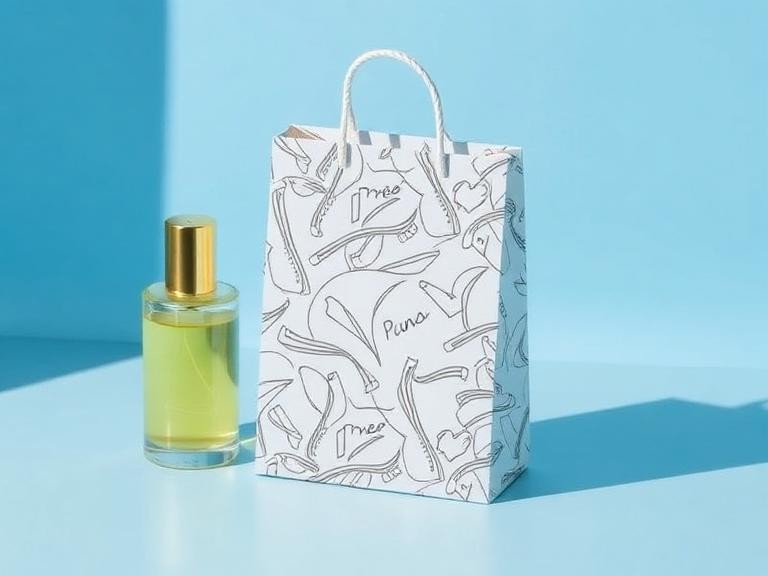
Custom cosmetic boxes are packaging built specifically around a product’s size, weight, and branding needs, rather than a generic off-the-shelf container. The right choice depends on the product type, order volume, and how much protection or visual impact the packaging needs to deliver.

Ordering packaging for the first time can feel more complicated than it should be. There are dozens of material options, printing finishes, and structural styles, and picking the wrong combination usually means paying for a reorder a few months later. This guide is meant to cut through that confusion and walk through the decisions that actually matter when sourcing custom cosmetic boxes for a beauty brand.
Start With the Product, Not the Design
It’s tempting to jump straight into logo placement and color schemes, but the smarter starting point is the product itself. A glass serum bottle, a pressed powder compact, and a tube of lip balm all have different weight distributions, fragility levels, and shipping risks. Packaging decisions should follow from those physical realities first, with branding layered on afterward.
This order of operations avoids a common and costly mistake: designing a beautiful box that turns out to be structurally wrong for the product, requiring a redesign after the first shipment of damaged goods comes back.
Comparing Common Box Styles
Different structural styles suit different products and budgets. Here’s a straightforward comparison to help narrow the options:
| Box Style | Best For | Typical Cost | Protection Level |
|---|---|---|---|
| Folding carton | Lightweight items, samples | Lower | Moderate |
| Rigid box | Premium skincare, perfume | Higher | High |
| Window box | Visual products, gift sets | Moderate | Moderate |
| Corrugated mailer box | Shipping direct to customers | Moderate | High |
A brand selling a single premium serum might only need rigid boxes, while a brand with a wide product range often ends up using two or three styles depending on the item.
Getting Sizing and Measurements Right
Sizing mistakes are one of the most avoidable, and most common, problems with custom cosmetic boxes. A box that’s even a few millimeters off can cause real issues: too tight, and the product is hard to insert without damaging the label; too loose, and the item rattles around during shipping, which increases the risk of chips, cracks, or leaks.
The safest approach is measuring the actual product, not marketing renderings or a rough estimate. This means checking the height, width, and depth of the container, plus any secondary packaging like an inner tray, a pump, or an applicator cap that adds extra height. Brands with multiple SKUs in one line, like a skincare set with a cleanser, serum, and moisturizer, often need slightly different internal dimensions for each item even when the outer box style stays the same.
Coatings and laminations also add a small amount of thickness to the material, which can affect how snugly a lid fits on a rigid box. Experienced suppliers of custom cosmetic boxes usually build in this tolerance automatically, but it’s worth confirming before a full production run, especially for tight-fitting rigid styles where a fraction of a millimeter makes a visible difference.
Materials Worth Knowing About
Material choice affects both cost and how the finished box looks and feels in hand.
- Kraft paperboard — natural, textured look often associated with clean or eco-conscious branding
- Coated white paperboard (SBS) — smooth surface that holds vibrant, detailed printing well
- Rigid chipboard — thick, sturdy material used for premium, high-end packaging
- Corrugated fluted board — stronger and more shipping-resistant, often used for outer mailers
Choosing between these usually comes down to a simple trade-off: softer, natural materials read as approachable and sustainable, while smooth, coated stock reads as polished and premium.
Printing and Finishing Options
Once the structure and material are decided, finishing choices shape the final impression:
- Matte lamination — a soft, non-reflective surface that feels premium to the touch
- Gloss lamination — a shinier finish that makes colors pop, common for bold or playful branding
- Foil stamping — metallic accents on logos or key details, often used sparingly for impact
- Spot UV — glossy highlights against a matte background, adding subtle texture without extra color
- Embossing or debossing — raised or pressed detail that adds a tactile element
None of these finishes are required to make custom cosmetic boxes look good. In fact, simpler finishes executed cleanly often outperform overly decorated boxes that try to do too much at once.
How Order Size Affects Pricing
Packaging pricing rarely scales in a straight line. Small first-time orders usually carry a higher per-unit cost because setup fees for printing plates and die-cutting get spread across fewer units. As order volume increases, that per-unit cost drops noticeably, which is why many brands wait until they have consistent sales data before committing to a larger print run.
A practical approach for new brands is ordering a modest first batch to validate the design and packaging performance, then scaling up once demand is proven. This avoids overcommitting cash to inventory before knowing how the product will actually sell.
Sustainability Without Overcomplicating Things
US consumers increasingly expect some level of environmental responsibility from the brands they buy, but sustainable packaging doesn’t need to be complicated. Recyclable paperboard, soy-based inks, and minimal plastic components go a long way without requiring a complete packaging overhaul. Clear labeling that tells customers how to recycle or dispose of the box properly is a small addition that builds meaningful trust.
What to Expect When Working With a Packaging Supplier
The ordering process for custom cosmetic boxes usually follows a fairly predictable sequence, and knowing what to expect at each stage helps avoid surprises.
- Initial consultation — sharing product dimensions, order volume, and general design direction
- Digital proof — a mockup showing layout, colors, and placement before anything is printed
- Physical sample — a real, printed sample made from the actual material and finish being ordered
- Revisions — adjustments to color, sizing, or finish based on how the sample looks and performs
- Full production — the wholesale batch, once the sample has been approved
- Quality check and shipping — a final review before the order ships to the brand
Skipping the physical sample stage is one of the riskiest shortcuts a brand can take. Screens display color differently than printed material does, and a shade that looks perfect on a monitor can look noticeably different once printed on kraft paperboard versus coated white stock. A short wait for a sample is almost always cheaper than reprinting an entire wholesale batch, and it’s worth asking suppliers about turnaround time upfront, since standard runs typically take a few weeks from approved sample to finished goods.
Seasonal and Limited-Edition Packaging Considerations
Many cosmetic brands run limited-edition packaging for holidays, collaborations, or seasonal collections. Because these runs are smaller and more design-intensive than standard packaging, per-unit costs tend to run higher, and lead times can be tighter given seasonal demand across the packaging industry.
A few habits make limited runs go more smoothly: locking in artwork earlier than usual, choosing finishes that are quick to produce, and ordering a slightly conservative quantity so leftover inventory doesn’t sit unused once the season passes. Brands that plan seasonal packaging into their yearly calendar, rather than reacting to a trend a few weeks before launch, generally get better pricing and more consistent quality.
Mistakes That Lead to Costly Reorders
A few recurring issues show up again and again with first-time packaging orders:
- Ordering a size that doesn’t account for product variations across a line
- Skipping a physical sample before a full production run
- Choosing a finish that doesn’t hold up well in humid or high-handling environments
- Underestimating shipping protection needs for fragile glass or ceramic containers
- Finalizing artwork before confirming print colors match on the actual material
Catching these early, usually through a sample review, saves both money and time compared to fixing them after a full batch has already shipped.
Building Consistency as a Brand Grows
As a product line expands, keeping packaging visually consistent becomes more important, not less. Customers build trust through repetition, recognizing a brand’s colors and box style before they even read the label. This consistency is far easier to maintain when working with a single, reliable custom packaging boxes supplier rather than switching vendors as needs change.
A dependable packaging partner can support a brand from its first small order through much larger production runs, keeping design and quality consistent at every stage of growth.
Frequently Asked Questions
How do I know which box style is right for my product? Start with the product’s weight, fragility, and how it will be shipped or displayed. Fragile glass items usually need rigid or corrugated protection, while lighter samples can use simpler folding cartons.
Is it worth paying extra for finishes like foil stamping? It depends on brand positioning. Premium or gift-focused products often benefit from the added visual weight, while everyday products may not need it to perform well.
What’s the biggest mistake first-time buyers make? Skipping a physical sample before committing to a full production run is the most common and costly mistake, since screen colors and printed colors don’t always match exactly.
Can custom cosmetic boxes be both premium-looking and eco-friendly? Yes. Recyclable paperboard with clean printing and minimal finishing can look just as polished as heavily laminated packaging, while also meeting sustainability expectations.
Final Thoughts
Choosing custom cosmetic boxes doesn’t have to be overwhelming once the decision-making order is right: product needs first, structural style second, and branding details last. Brands that follow this sequence tend to avoid the expensive trial-and-error that comes with rushing straight to design. A little planning upfront leads to packaging that protects the product, represents the brand accurately, and holds up as the business grows.