
Preventive healthcare is becoming a central focus in global health discussions, as individuals and institutions recognize the importance of early intervention. Rather than treating diseases after they appear, the emphasis is shifting toward preventing them before they develop.
This transformation is driven by rising healthcare costs, increased life expectancy, and a growing awareness of how lifestyle choices impact long-term well-being. As a result, people are becoming more proactive about their health.
According to the World Health Organization, preventive healthcare measures can significantly reduce the burden of chronic diseases worldwide. This reinforces the importance of adopting healthier habits and regular monitoring.
Therefore, preventive healthcare is no longer just a recommendation—it is becoming a global necessity.
Lifestyle Changes Are Driving Preventive Healthcare
One of the main factors behind the rise of preventive healthcare is the shift in lifestyle awareness. People are increasingly adopting habits that support long-term health, such as regular exercise, balanced diets, and stress management.
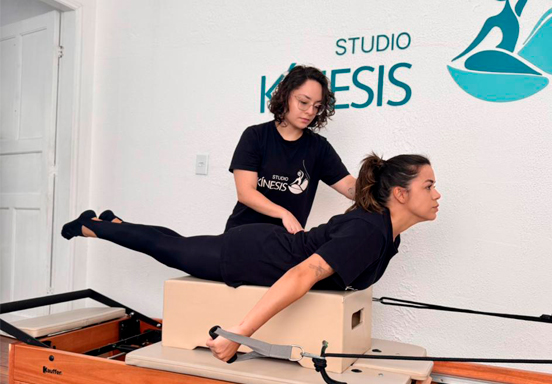
Activities like Pilate em Santo André have gained popularity as they promote physical strength, flexibility, and overall well-being. These practices help prevent injuries and improve quality of life.
In addition, mental health is now recognized as a crucial part of preventive care. Managing stress and maintaining emotional balance are essential for avoiding long-term health issues.
As a result, lifestyle changes are becoming the foundation of preventive healthcare strategies.
Access to Information Is Empowering Individuals
The availability of information has transformed how people approach their health. Today, individuals have access to a wide range of resources that help them make informed decisions.
Platforms that share notícias no Rio de Janeiro and other health-related updates contribute to raising awareness about risks, prevention strategies, and new treatments.
This increased access to information allows people to identify symptoms earlier and seek professional help before conditions worsen.
Consequently, knowledge is becoming one of the most powerful tools in preventive healthcare.
Healthcare Systems Are Shifting Toward Prevention
Healthcare systems around the world are beginning to prioritize prevention over treatment. Governments and institutions are investing in programs that encourage early diagnosis and regular check-ups.
Screening campaigns, vaccination programs, and educational initiatives are becoming more common, aiming to reduce the incidence of serious diseases.
Additionally, hospitals and clinics are adapting their infrastructure to support preventive care. Even industries outside healthcare, such as those producing prateleiras de aço, play a role in organizing medical environments efficiently, ensuring better storage and accessibility of supplies.
This systemic shift reflects the growing importance of preventive healthcare on a global scale.
Technology Is Accelerating Preventive Care
Technology is playing a crucial role in the expansion of preventive healthcare. Wearable devices, health apps, and digital platforms allow individuals to monitor their health in real time.
These tools provide insights into physical activity, heart rate, sleep patterns, and other important indicators, enabling early detection of potential issues.
Telemedicine is also making healthcare more accessible, allowing patients to consult professionals without the need for physical visits.
As a result, technology is making preventive healthcare more practical and effective for people around the world.
Long-Term Benefits for Individuals and Society
Preventive healthcare offers significant long-term benefits, both for individuals and for society as a whole. By reducing the incidence of chronic diseases, it helps improve quality of life and increase life expectancy.
For healthcare systems, prevention leads to lower costs and reduced pressure on hospitals and emergency services.
Moreover, healthier populations contribute to stronger economies, as individuals are more productive and require fewer medical interventions.
Ultimately, the long-term impact of preventive healthcare extends far beyond individual well-being.
A Necessary Shift Toward Prevention
Preventive healthcare is becoming a global priority because it addresses the root causes of health issues rather than just their symptoms. This proactive approach is transforming how individuals and institutions think about well-being.
As awareness continues to grow, more people are adopting habits and strategies that support long-term health. At the same time, healthcare systems are evolving to prioritize prevention.
In the end, investing in preventive healthcare is not just about avoiding illness—it is about building a healthier and more sustainable future for everyone.











Leave a Reply