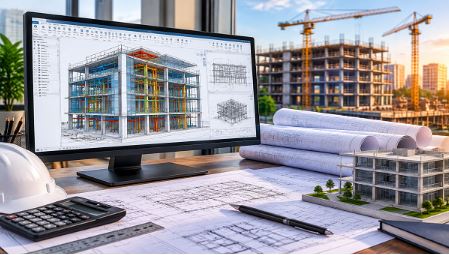
The construction industry has experienced major changes in recent years as projects become more complex and require better planning, coordination, and accuracy. Therefore, traditional methods of managing construction information are no longer enough for many modern projects. Architects, engineers, contractors, and other professionals need advanced digital solutions that help them work together efficiently.

Building Information Modeling (BIM) has become an important part of modern construction because it allows teams to create detailed digital representations of buildings before physical work begins. These models provide valuable information about design elements, materials, structures, and building systems. Unlike traditional two-dimensional drawings, BIM models provide a complete view of a project. Therefore, teams can analyze designs, identify possible challenges, and make better decisions before construction starts. Among different BIM solutions, Revit has become widely used because it supports detailed modeling, collaboration, and accurate documentation. Through Revit BIM modeling services, construction professionals can develop detailed digital models that improve project planning, reduce errors, and support better coordination throughout the construction process.
Key Takeaways
- Revit BIM modeling improves project visualization, accuracy, and communication between construction teams.
- Digital building models help identify design issues before they create delays or additional costs.
- Advanced BIM solutions support better planning and efficient construction management.
Understanding the Role of Revit BIM Modeling in Construction
Revit BIM modeling is a digital approach that creates intelligent 3D models containing detailed information about different building components. Therefore, it provides much more value than traditional drawings because it connects visual information with technical data. A Revit model can include architectural elements, structural components, mechanical systems, electrical layouts, and other important project details. This allows different teams to understand how each part of the building works together. Additionally, BIM models can be updated more efficiently compared with traditional documents. When changes are made, connected information can be adjusted throughout the model, reducing inconsistencies between different project files. This improved accuracy helps teams maintain better control over the project from the design stage through construction completion.
Improving Construction Design Through Digital Models
Design accuracy plays an important role in successful construction projects. Therefore, having a clear understanding of the final design before construction begins can prevent many common problems. Revit BIM models allow architects and engineers to visualize projects in three dimensions. This makes it easier to review layouts, evaluate design options, and identify improvements. Additionally, digital models help clients better understand the proposed design. Instead of reviewing complicated technical drawings, they can view realistic representations of the building. This improved visualization creates better communication and helps stakeholders make informed decisions during the planning phase.
Reducing Errors Through Better Coordination
Construction errors can lead to delays, increased costs, and project complications. Therefore, identifying potential issues before construction begins is extremely valuable. Revit BIM modeling helps teams review different building systems together. For example, structural components, electrical systems, and mechanical layouts can be analyzed within the same digital environment. Additionally, BIM allows professionals to identify clashes between different disciplines before work starts on-site. By solving these issues during the design stage, teams can reduce rework and create a smoother construction process.
Enhancing Collaboration Between Project Teams
Construction projects require cooperation between multiple professionals. Therefore, effective communication is necessary for achieving successful results. Revit BIM models provide a shared platform where architects, engineers, contractors, and other stakeholders can access coordinated project information. This approach reduces misunderstandings because teams are working with the same updated information. Additionally, BIM improves decision-making because changes can be reviewed digitally before affecting the construction schedule. Better collaboration creates stronger project coordination and improves overall efficiency.
Supporting Accurate Construction Documentation
Construction documentation provides important guidance during fabrication and installation. Therefore, accurate documentation is essential for maintaining project quality. Revit BIM modeling helps generate consistent drawings and documents directly from the digital model. This reduces the possibility of errors caused by outdated or disconnected files. Additionally, updated documentation helps contractors understand project requirements more clearly. Reliable construction documents improve workflow efficiency and allow teams to complete work with greater confidence.
Improving Project Planning and Cost Management
Proper planning is one of the most important parts of construction success. Therefore, having detailed project information before starting work can provide significant advantages. Revit models help teams understand material requirements, building components, and construction sequences more effectively. Additionally, early design analysis allows professionals to identify potential changes before they become expensive problems. Better planning helps control costs by reducing waste, avoiding unnecessary modifications, and improving resource management.
The Importance of BIM in Modern Construction Workflows
Modern construction requires a more connected approach because projects involve many different systems and participants. Therefore, BIM has become an important solution for improving project coordination. Revit supports a collaborative workflow where different disciplines can contribute information to a single digital environment. Additionally, BIM improves project transparency because teams can track changes and understand how decisions affect the overall design. This connected approach helps create more organized and efficient construction processes.
Combining Revit With Other BIM Technologies
Although Revit provides powerful modeling capabilities, different construction projects may require additional specialized solutions. Therefore, combining multiple BIM technologies can improve project performance. Different platforms offer unique benefits for specific construction requirements. For example, some solutions focus on detailed structural modeling, fabrication information, or advanced coordination. For projects that require highly detailed structural information, Tekla BIM modeling services can support accurate structural workflows and improve coordination between design and construction teams. Using suitable BIM technologies together allows professionals to create more complete digital project environments.
Supporting Better Construction Decision-Making
Construction decisions often affect project timelines, budgets, and final quality. Therefore, having accurate information before making decisions is extremely important. Revit BIM models provide teams with detailed project information that helps them evaluate different options. Additionally, digital models allow professionals to test design changes before implementing them physically. This ability to analyze and adjust designs improves confidence and reduces risks during construction.
The Role of Professional BIM Modeling Support
Creating accurate BIM models requires technical knowledge, experience, and understanding of construction processes. Therefore, professional support can help teams achieve better results. Experienced BIM specialists understand modeling standards, coordination requirements, and project documentation needs. Additionally, professional teams can manage complex projects and create models that support real construction activities. Working with skilled BIM professionals allows companies to maximize the benefits of digital modeling while reducing potential challenges.
Long-Term Advantages of BIM-Based Construction Planning
The benefits of BIM continue even after construction is completed. Therefore, many organizations consider digital models valuable long-term resources. BIM models can provide useful information for future maintenance, renovations, and building management. Additionally, accurate digital records help owners understand building systems and components more effectively. This long-term value makes BIM an important investment for modern construction projects.
Final Thoughts
Revit BIM modeling services have transformed the way construction professionals plan, design, and manage projects. By creating detailed digital models, teams can improve accuracy, reduce errors, and strengthen communication. From better visualization and documentation to improved coordination and cost management, BIM provides valuable advantages throughout the construction lifecycle. As construction projects continue to become more complex, adopting advanced BIM solutions will remain an important step toward achieving efficient, accurate, and successful project outcomes.