
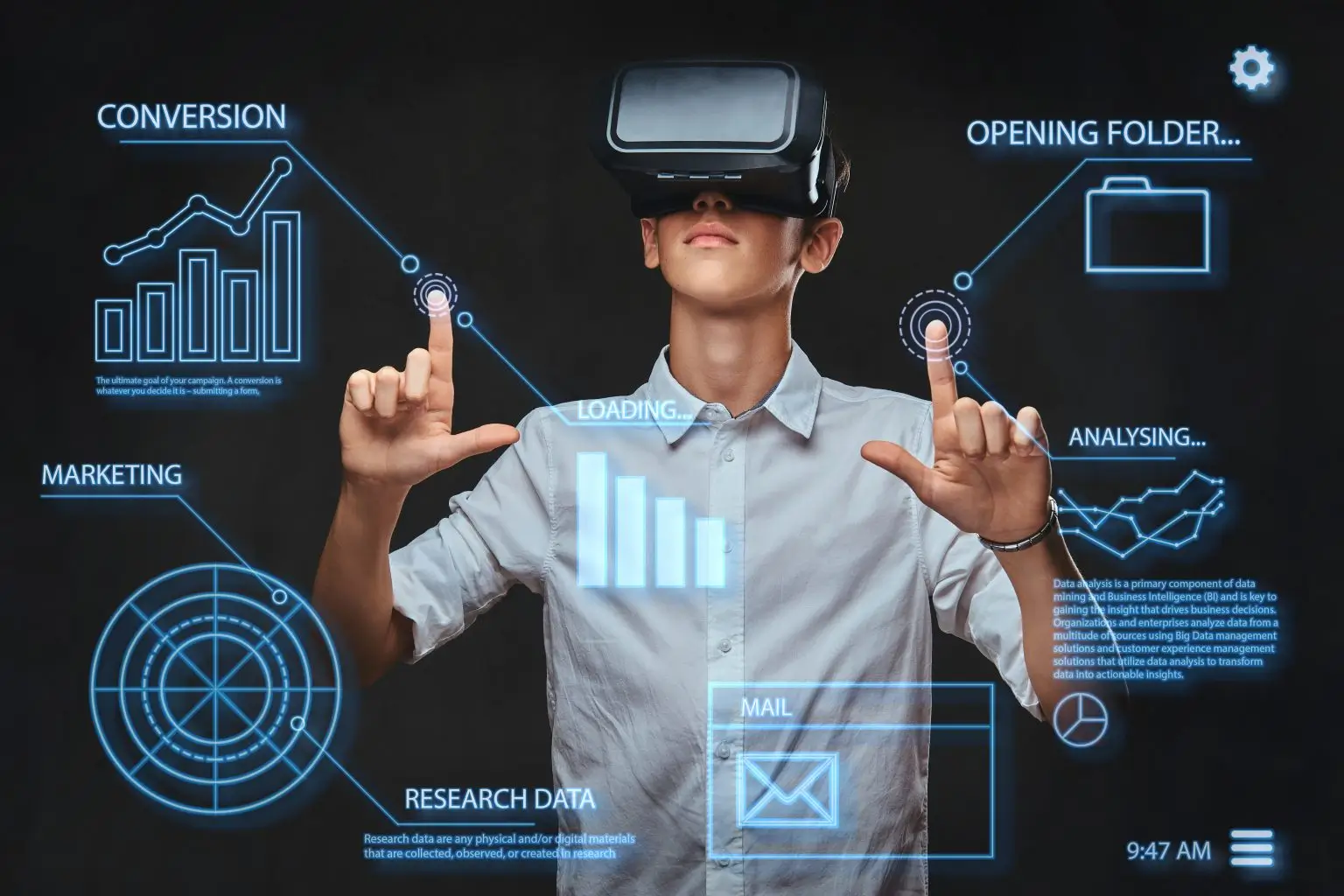
The future of marketing is evolving at a pace never seen before. As technology advances and consumer behavior shifts, businesses are being forced to rethink how they communicate, sell, and build relationships. What worked just a few years ago is quickly becoming outdated, and brands that fail to adapt risk falling behind.
At the same time, new tools and platforms are opening opportunities that were once unimaginable. From artificial intelligence to immersive digital experiences, the marketing landscape is expanding into areas that demand both creativity and strategic thinking. As a result, companies must balance innovation with consistency to remain relevant.
According to a study by McKinsey & Company, businesses that adopt data-driven marketing strategies are significantly more likely to outperform competitors in both customer acquisition and retention. This highlights how the future of marketing is not only about creativity but also about leveraging data intelligently.
Therefore, understanding the key trends shaping the future of marketing is essential for brands that want to grow, compete, and lead in an increasingly digital world.
Artificial Intelligence Will Redefine Personalization
Artificial intelligence is no longer a futuristic concept—it is already transforming how brands interact with consumers. In the future of marketing, AI will play an even bigger role in delivering highly personalized experiences at scale.
Instead of broad targeting, businesses will use predictive algorithms to understand customer behavior in real time. This means content, offers, and communication will be tailored individually, increasing engagement and conversion rates.
Moreover, AI-powered tools will automate repetitive tasks, allowing marketers to focus more on strategy and creativity. From chatbots to recommendation engines, these technologies will become essential components of any marketing strategy.
As a result, companies that invest in AI will gain a significant competitive advantage in the future of marketing.
Content Will Become More Strategic and Intent-Driven
Content marketing will continue to be a cornerstone in the future of marketing, but the approach will change significantly. Instead of producing large volumes of generic content, brands will focus on creating highly relevant and intent-driven materials.
Search engines are becoming more sophisticated, prioritizing quality, context, and user experience. Therefore, content strategies must align with user intent, delivering real value at every stage of the customer journey.
In addition, long-form and in-depth content will gain even more importance. Articles, guides, and educational materials will help brands establish authority and build trust with their audience.
This shift means that content is no longer just about visibility—it is about positioning and influence in the future of marketing.
Data-Driven Decisions Will Be the Core of Marketing Strategies
Data has become one of the most valuable assets in modern marketing. In the future of marketing, decision-making will rely heavily on data analysis, insights, and performance metrics.
Companies will use advanced analytics to understand customer behavior, optimize campaigns, and predict trends. This will lead to more efficient marketing strategies and better return on investment.
However, it is not just about collecting data—it is about interpreting it correctly. Businesses that can transform raw data into actionable insights will stand out in a crowded market.
According to Pedro Amorim, business consultant at Estação Indoor, a digital marketing agency, “companies that learn how to use data strategically will not only grow faster but also build stronger and more sustainable brands in the long term.”
Therefore, mastering data will be a key factor in shaping the future of marketing.
Brand Authority Will Be More Important Than Ever
As competition increases, building a strong brand will become essential in the future of marketing. Consumers are no longer influenced only by price or product features—they are looking for trust, credibility, and connection.
Brand authority is built through consistency, quality content, and a clear positioning strategy. Companies must communicate their values and differentiate themselves in meaningful ways.
Additionally, businesses that want to stand out should analyze benchmarks and references, including insights from melhores agências de marketing digital do Brasil, which often set standards for innovation and performance in the industry.
This reinforces the idea that branding is not just about visibility—it is about perception and long-term impact.
Omnichannel Experiences Will Define Customer Engagement
Consumers today interact with brands across multiple channels, and this behavior will intensify in the future of marketing. As a result, businesses must create seamless and integrated experiences across all touchpoints.
From social media to websites, email marketing to physical stores, every interaction must be consistent and connected. This approach ensures that customers have a cohesive experience regardless of where they engage.
Moreover, technology will enable more immersive experiences, such as augmented reality and interactive content, further enhancing engagement.
Companies that successfully implement omnichannel strategies will be better positioned to capture attention and build lasting relationships.
Adapting to Lead the Future of Marketing
The future of marketing is not defined by a single trend but by the combination of technology, strategy, and human connection. Businesses that embrace change and innovation will be the ones that thrive in this new landscape.
At the same time, it is essential to maintain a clear focus on the customer. Understanding their needs, behaviors, and expectations will continue to be the foundation of any successful marketing strategy.
Ultimately, the brands that lead in the future of marketing will be those that combine data, creativity, and authenticity to create meaningful experiences.
And as the digital world continues to evolve, one thing remains certain: marketing will never stop changing—but those who adapt will always stay ahead.













Leave a Reply