
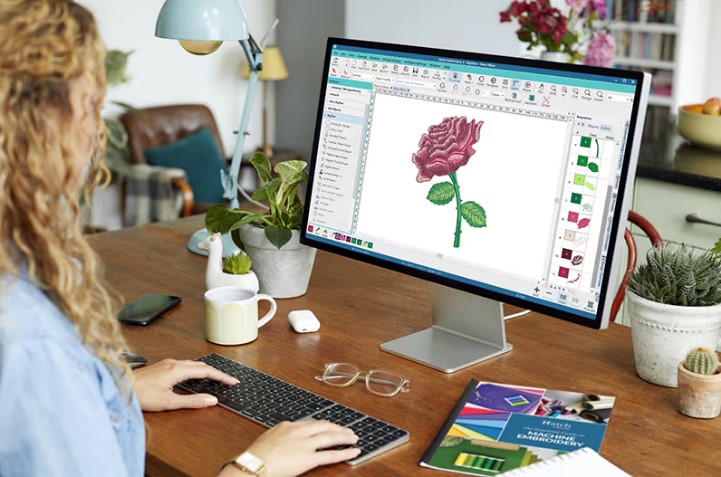
A logo can look great on a screen, but that does not mean it will stitch well on fabric. Embroidery machines do not read pictures the way people do. They need stitch paths, needle steps, and color stops to sew a clean design.
That is why many brands use Digitizing Services For Embroidery before production begins. A logo must be changed into a file the machine can read. When this is done the right way, the final stitch result looks sharp, smooth, and professional.
Why a Logo Image Is Not Enough
Many people think a JPG or PNG file can go straight to the machine. It cannot.
A Picture File Shows:
- Colors
- Shapes
- Text
- Layout
A Stitch File Gives:
- Needle moves
- Stitch order
- Thread changes
- Start and stop points
Machines need stitch data, not image data.
Why Clean Files Matter
A strong file saves time and gives better results.
Good Files Help With:
- Clean stitching
- Less thread breaks
- Better logo shape
- Fast machine runs
- Happy customers
Poor files can cause many issues.
Common Problems from Bad Files
When a logo is not prepared well, problems show fast.
Common Issues:
- Rough edges
- Gaps in fill areas
- Tiny text closing up
- Fabric puckering
- Wrong colors
- Broken thread
These problems often come from poor setup.
Step 1: Start with a Clear Logo
Good embroidery begins with good artwork.
Best Logo Files:
- AI
- EPS
- High-quality PNG
Avoid:
- Tiny screenshots
- Blurry images
- Low-detail photos
Clean art gives cleaner stitching.
Step 2: Simplify Small Details
Thread has limits. Tiny details may not sew well.
Parts That Often Need Changes:
- Very thin lines
- Small dots
- Tiny text
- Fine shading
Simple logos often look stronger on fabric.
Step 3: Choose the Right Stitch Type
Each part of the logo may need a different stitch style.
Satin Stitch
Best for letters and borders.
Fill Stitch
Best for large solid shapes.
Running Stitch
Best for outlines and fine detail.
Using the right type improves quality.
Step 4: Set Correct Size
Logo size affects every stitch.
Too Small:
- Text may blur
- Detail gets lost
Too Large:
- Too many stitches
- Heavy feel on fabric
Size should match the item.
Step 5: Control Stitch Density
Density means how close stitches sit together.
Too Dense:
- Stiff fabric
- Thread breaks
- Needle stress
Too Light:
- Gaps show
- Weak coverage
Balanced density gives smooth results.
Real Experience: Why Tiny Chest Logos Fail
Many brands want full detail in a small left chest logo. In real embroidery, tiny logos often lose detail first. Letters close up. Thin lines vanish. Shapes blend together.
Experts know how to simplify and resize logos so they stay readable. Teams like Absolute Digitizer often adjust files for real garment use, not just screen looks.
Step 6: Add Underlay Support
Underlay is hidden stitching under the top layer.
It Helps:
- Hold fabric steady
- Lift top stitches
- Keep edges clean
- Reduce shifting
Good underlay improves the final look.
Step 7: Plan the Stitch Order
The machine sews step by step.
Smart Order Gives:
- Better alignment
- Less trims
- Faster runs
- Cleaner finish
Bad order can make logos messy.
Step 8: Match the File to Fabric
One file may not suit all fabrics.
Cotton Shirts
Easy and stable.
Caps
Need center-out stitching.
Towels
Need extra top coverage.
Stretch Wear
Need softer settings.
Fabric type matters a lot.
Step 9: Test Before Full Production
Always run a sample first.
A Test Checks:
- Text clarity
- Color match
- Shape quality
- Fabric pull
- Overall look
Testing saves time and money.
Common Logo Problems and Fixes
Text Is Hard to Read
Cause:
Letters too small.
Fix:
Use larger text or simpler font.
Edges Look Rough
Cause:
Wrong pathing.
Fix:
Adjust stitch angle and order.
Fabric Puckers
Cause:
Too many stitches.
Fix:
Lower density and use backing.
Colors Look Off
Cause:
Wrong thread shades.
Fix:
Match thread to brand colors.
Why Backing Matters
Backing supports fabric during stitching.
It Helps:
- Reduce puckering
- Keep shape stable
- Improve stitch quality
- Support thin fabric
Good files still need proper backing.
Why Thread Choice Matters
Thread affects the finish.
Good Thread Gives:
- Strong shine
- Better color
- Less breaks
- Smooth sewing
Cheap thread can lower quality.
Tips for Better Logo Embroidery
Keep Logos Clean
Simple shapes stitch best.
Use Bold Fonts
Thin fonts are harder.
Avoid Too Many Colors
Many stops slow production.
Keep Master Files Safe
Useful for future edits.
Test on Real Garments
Not only sample cloth.
Why Businesses Need Consistency
Your logo should look the same on every item.
Consistent Logos Help:
- Build trust
- Look professional
- Improve brand memory
- Reduce returns
One good file can help many products.
Why Experience Matters
Digitizing is more than software clicks.
Experts Understand:
- Fabric movement
- Stitch pull
- Machine limits
- Logo readability
- Real production needs
That hands-on skill creates better files.
Trusted providers like Absolute Digitizer use practical knowledge to make logos run well and look sharp.
Mistakes New Brands Often Make
Avoid these common errors.
Sending Low Files
Poor art gives poor output.
Using Tiny Logos
Too much detail gets lost.
Skipping Samples
Always test first.
Ignoring Fabric Type
Caps and polos need changes.
Wanting Every Detail
Readable is better than crowded.
EEAT in Embroidery File Work
Strong service follows trusted values.
Experience
Real machine and garment knowledge.
Expertise
Knowing stitch types and settings.
Authority
Consistent quality results.
Trustworthiness
Reliable files and honest help.
These values build long-term trust.
Best Uses for Logo Embroidery
Great For:
- Staff uniforms
- School wear
- Team caps
- Company jackets
- Promo bags
- Event shirts
Embroidery adds value and long life.
Final Thoughts
Turning logos into clean and machine-ready embroidery files takes more than uploading an image. It needs clear artwork, smart stitch planning, correct size, balanced density, and fabric testing.
Keep logos simple and readable. Use proper backing and quality thread. Always test before large runs.
When the file is made the right way, your logo looks sharp, smooth, and professional on every item. That helps your brand make a strong first impression every time.





Leave a Reply