
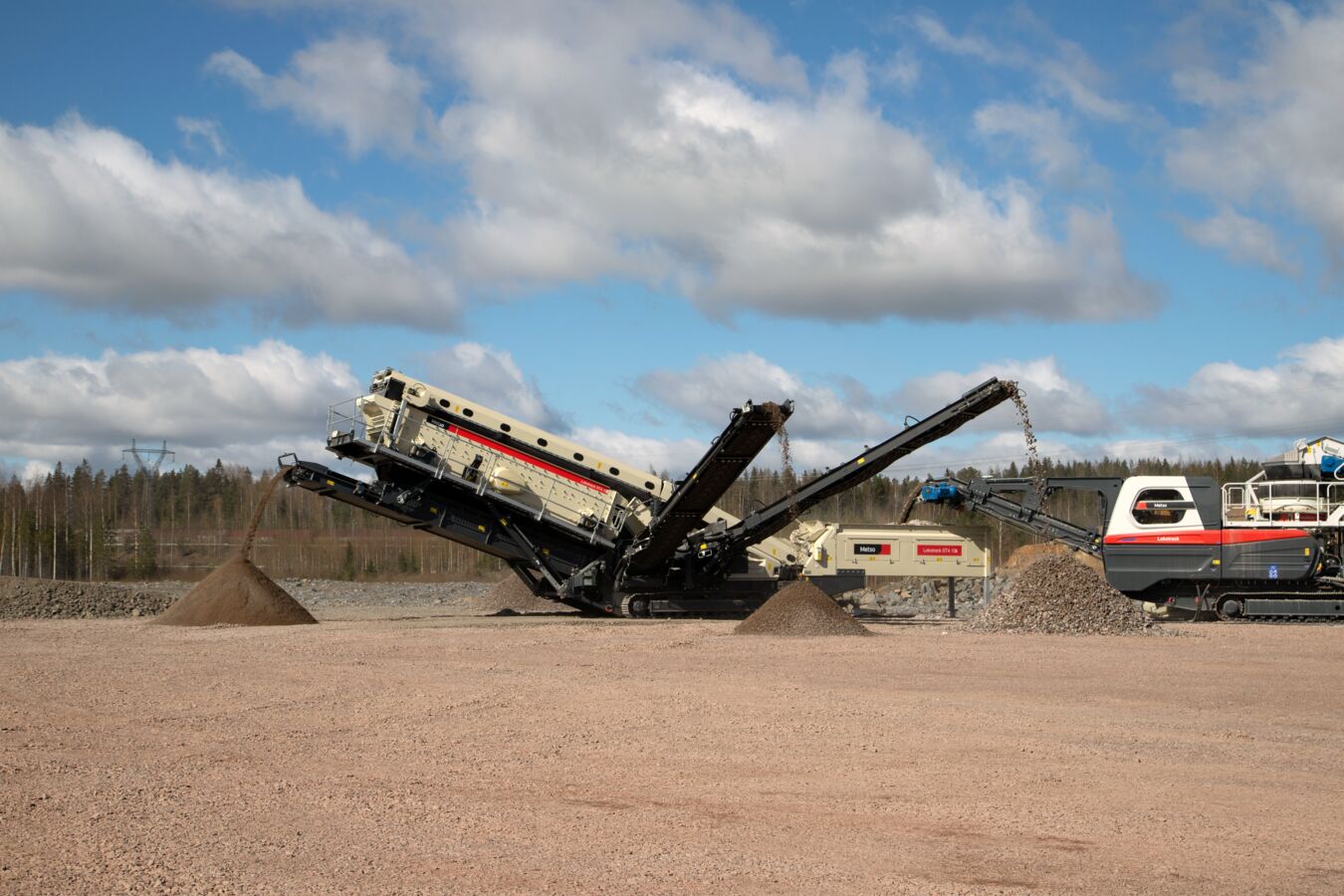
In modern construction, efficiency isn’t optional — it’s everything. A mobile crusher machine transforms jobsites by processing material on-site, cutting transportation costs and timelines. Whether you’re breaking down concrete from demolition debris or feeding aggregate into road base layers, understanding where and how a mobile crusher fits into your project is the difference between work flowing smoothly and logistical headaches.
The construction industry processes millions of tonnes of material daily. Rock, concrete, asphalt, brick — all of it needs to be reduced to usable sizes. For decades, this meant hauling raw material to centralised crushing facilities, then hauling finished aggregate back to project sites. Mobile crushers changed that calculus entirely, making on-site crushing economically viable for projects large and small.
What Is a Mobile Crusher Machine?
A mobile crusher machine is essentially a full crushing plant mounted on a truck or tracked chassis. It combines a primary jaw crusher or impact crusher with conveyor systems, vibrating screens, and material feeds — all capable of moving from one jobsite to another. Unlike stationary plants, a mobile crusher operates independently, requiring minimal setup and integration with site infrastructure.
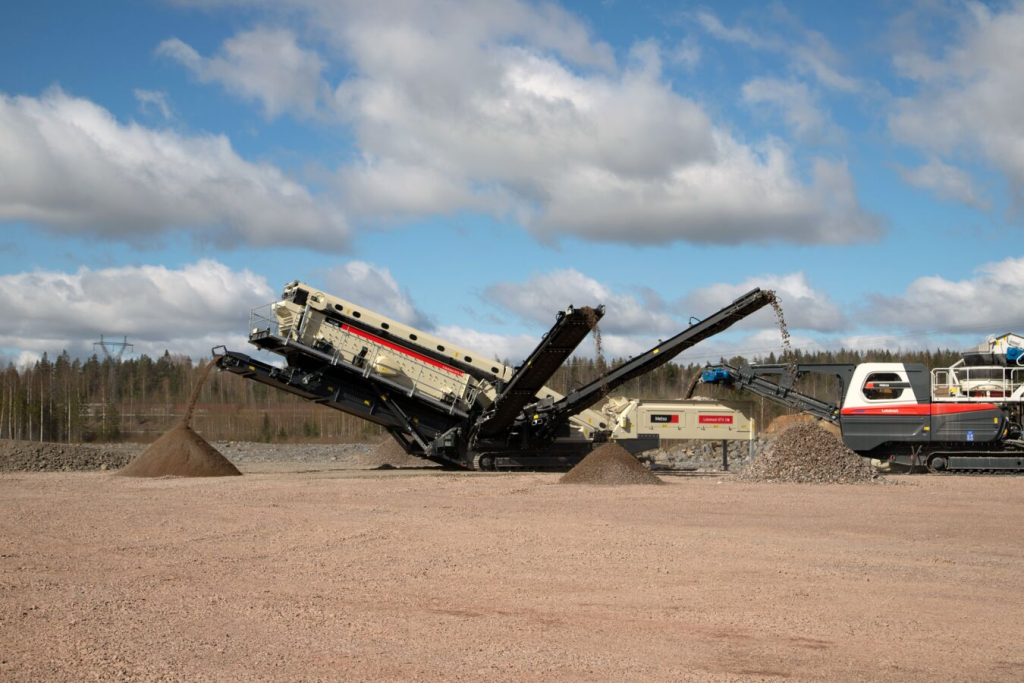
Sizes range widely. A compact jaw crusher might weigh 15–20 tonnes and fit on a standard truck bed, crushing small to medium aggregate. Larger tracked models can weigh 60–100 tonnes and process 100–300 tonnes per hour, handling everything from primary rock extraction down to final sizing. This flexibility is why construction firms looking for a mobile crusher for sale find so much variety in the marketplace.
🛣️ Road Building – On-site crushing of base layer aggregates
🏗️ Demolition – Breaking down concrete and masonry waste
⛏️ Quarrying – Primary crushing of extracted rock
♻️ Recycling – Processing C&D waste for reuse
Road Building and Infrastructure Projects
Road construction is perhaps the most straightforward application for mobile crushers. Large highway or motorway projects consume enormous quantities of carefully graded aggregate — 0–2mm fines, 2–20mm base layer stone, 20–40mm wearing course material. A mobile crusher on a major infrastructure project can process 200–300 tonnes daily of locally quarried raw rock, eliminating dependency on distant supplier networks and reducing haulage costs by 30–50%.
The ability to adjust crusher settings on-site means final aggregate can be tailored to exact specifications. Road engineers need specific particle shape and size distribution — a mobile crusher allows real-time optimization rather than ordering fixed batches and hoping they meet spec. For multi-year motorway contracts, having a dedicated mobile crusher reduces logistics complexity and locks in consistency.
Demolition and Concrete Recycling
Urban renovation generates mountains of concrete and masonry waste. Traditionally, this debris was trucked to landfills or distant recycling plants, with environmental cost, disposal fees, and zero material value recovery. A mobile crusher on a demolition site changes the economics fundamentally.
Concrete from demolished structures can be crushed and processed into recycled aggregate suitable for road base, new concrete mixes, or landscaping fill. A jaw-type mobile crusher machine handles this application particularly well — the powerful crushing action breaks concrete into usable sizes without excessive dust or fines. For major urban redevelopment projects, on-site concrete crushing can divert 80–90% of demolition waste away from landfills while generating a sellable product.
Steel reinforcement inside concrete is separated magnetically as material passes through the crusher circuit, allowing both concrete aggregate and metal scrap to be recovered and monetized.
Environmental Advantage
Recycling concrete on-site reduces transportation emissions by 40–60% compared to hauling to distant recycling facilities. For projects with environmental targets or carbon accounting requirements, on-site crushing delivers measurable impact.
Quarrying and Primary Stone Extraction
In stone quarries, the mobile crusher machine serves as the first processing stage. After explosives fragment the rock face or heavy machinery extracts stone, the raw boulder pile must be reduced to marketable sizes. A large tracked mobile jaw crusher can be positioned within the quarry, crushing 200–400 tonnes per hour of primary stone.
This is where portability within a site becomes valuable. As the quarry face advances and working areas shift, the crusher can be repositioned to minimize haul distances between the extraction point and crushing plant. For quarry operators, having in-house crushing capacity also means higher margin products — processing raw stone into graded aggregate generates more revenue than selling unprocessed rock.
| Crusher Type | Capacity | Best Application | Weight Class |
|---|---|---|---|
| Jaw Crusher | 50–300 t/h | Primary crushing, demolition | 15–80 tonnes |
| Impact Crusher | 100–400 t/h | Secondary shaping, soft rock | 20–100 tonnes |
| Cone Crusher | 150–350 t/h | Fine aggregate, hard stone | 30–120 tonnes |
| VSI Crusher | 100–250 t/h | Sand production, finishing | 25–90 tonnes |
Aggregate Supply and Batch Operations
Smaller construction projects — site foundations, landscaping fills, minor road repairs — often can’t justify permanent on-site crushing. However, a mobile crusher for sale in the compact 15–30 tonne range allows contractors to own or lease equipment for specific jobs. A contractor might move a jaw crusher between three or four projects in a year, each time processing locally available material rather than buying delivered aggregate.
For ready-mix concrete plants operating in remote areas, a dedicated mobile crusher supplies crushed stone and sand, reducing dependence on external suppliers and improving production reliability.
Key Advantage
Mobile crushers eliminate the “waiting for deliveries” problem. Material is available on demand, which keeps work flowing and reduces project delays from supply chain hiccups.
What to Consider When Evaluating a Mobile Crusher
Crushing capacity should match your project volume. A 50 t/h crusher suits small-scale work; large infrastructure demands 200+ t/h. Fuel efficiency and power requirements matter for operational cost — diesel and electric hybrid models exist. Mobility — truck-mounted models move faster between sites; tracked models work in soft ground. Maintenance access and spare parts availability are often overlooked but critical. Finally, screening and fines management — better crushers separate material into multiple sizes and handle dust control, reducing environmental compliance headaches.
Frequently Asked Questions
Is it cheaper to buy a mobile crusher or rent one for a single project?
For a one-off project lasting a few months, renting is almost always cheaper. Mobile crusher rental runs roughly AED 8,000–15,000 per month, depending on size and capacity. Purchase prices for a used compact jaw crusher start around AED 150,000 and climb to AED 500,000+ for larger tracked units. However, if you’re a contractor with 3–4 projects annually requiring crushing, ownership becomes cost-justified within 2–3 years. You’ll also have better control over scheduling and customisation. Many mid-sized contractors finance or lease crushers rather than buying outright — it balances capital expense with operational flexibility.
How much dust does a mobile crusher create, and what’s required for dust control?
Dust generation depends on rock type and moisture content. Dry limestone or granite produces more dust than wet aggregate. Most modern mobile crushers include integrated dust suppression — water spray systems, enclosed chutes, and cyclone separators. With proper water management, dust can be controlled to acceptable levels. However, site-level dust management also matters — maintaining damp material piles, covering trucks, and controlling traffic speed reduces ambient dust. In residential or sensitive areas, contractors often invest in secondary dust collectors or portable air filters. Environmental regulations vary by region, so it’s worth checking local requirements before planning equipment.
Can a mobile crusher handle reinforced concrete from demolition, or does rebar jam the machine?
Modern jaw-type crushers are specifically designed to handle reinforced concrete. Rebar does get caught initially, but the crushing jaw’s powerful closing action shears the steel — rebar emerges shredded and separates from concrete aggregate in the downstream screening process. Magnetic separators in the circuit remove remaining steel fragments. The key is that you can’t feed massive slabs of reinforced concrete whole; the material needs to be pre-broken into 30–50cm pieces first (usually with a hydraulic breaker on an excavator). Once sized appropriately, a mobile jaw crusher handles reinforced concrete efficiently. For very high-rebar-density structures, some operators pre-sort and remove large rebar bundles manually, but it’s not always necessary.
What’s the difference between a jaw crusher and an impact crusher for on-site use?
Jaw crushers excel at primary crushing — taking large, hard material and breaking it into smaller sizes. They’re powerful, handle tramp metal better, and work well with dense rock and concrete. Impact crushers are better for secondary crushing and shaping — they produce more cubic particles and are gentler on hard materials, making better final aggregate for concrete or asphalt. For a single mobile crusher doing everything on a general construction site, a jaw crusher is more versatile and forgiving. If your project specifically needs shaped aggregate or you’re working with softer rock, an impact crusher makes sense. Many quarries use both in sequence — jaw for primary breaking, impact for finishing.
Thanks, newswrapper.online



Leave a Reply