
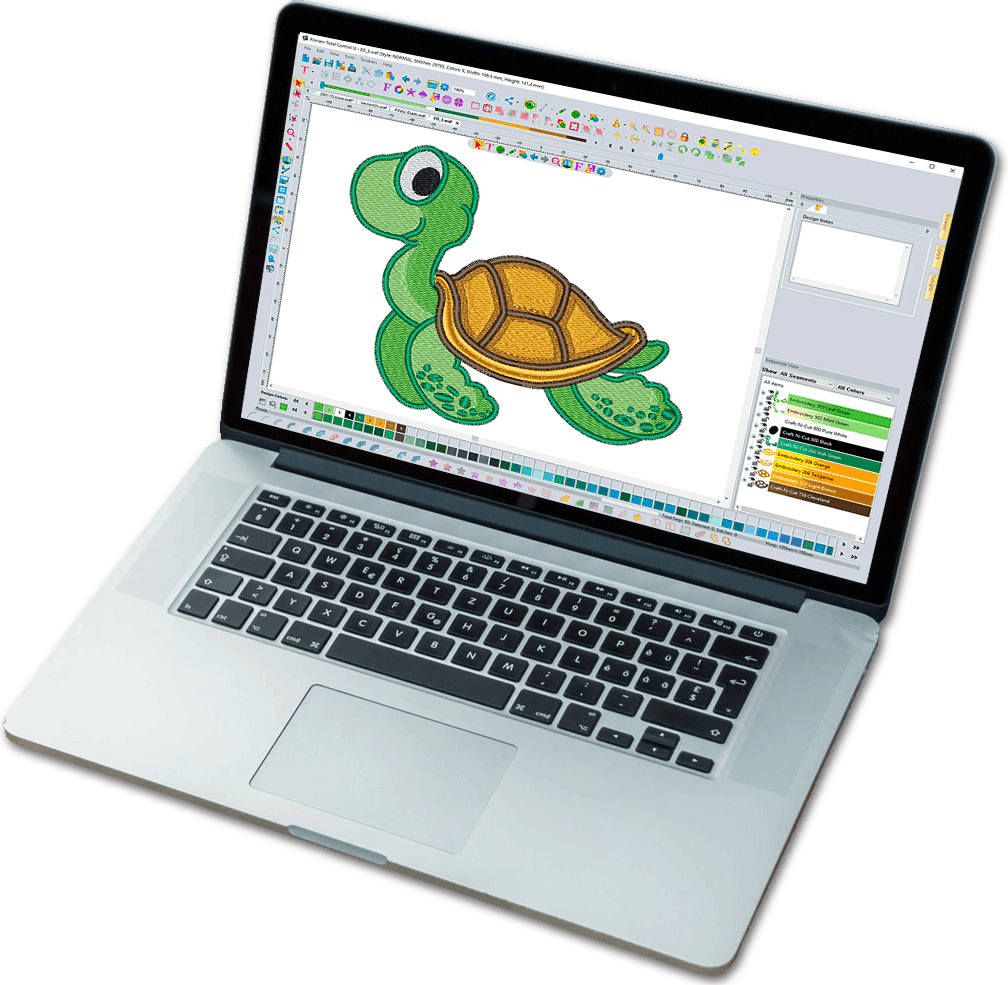
Think about the logos you remember. The swoosh on a pair of sneakers. The apple on a laptop. The golden arches visible from the highway. These symbols carry meaning far beyond their simple shapes. They represent trust, quality, and identity. When you put your logo on a uniform, a cap, or a promotional item, you are doing more than decorating fabric. You are making a statement about who you are and what you stand for. That is why every stitch matters. A properly Digitized Logo does not just look good. It builds your brand with every thread.
Embroidery adds dimension and permanence that printing cannot match. It says quality. It says we care about details. It says this brand is here to stay. But embroidery only delivers that message when the digitizing is done right. A poorly digitized logo sends exactly the opposite message. It says amateur. It says careless. It says do not trust us.
Let me walk you through why digitized logos matter and how to get them right.
The Psychology of Embroidered Logos
There is a reason high-end brands choose embroidery for their apparel. It feels substantial. It looks premium. It lasts.
When someone receives a uniform with an embroidered logo, they perceive value. The same logo screen-printed on a cheap t-shirt feels temporary. The embroidered version feels like an investment. This perception transfers directly to your brand. Customers who see your team in quality embroidered apparel assume your products or services are equally high quality.
Embroidery also commands attention. The dimensional quality of stitched thread catches light differently than flat ink. It stands out from printed materials. It says this brand is worth noticing.
What Makes a Digitized Logo Great
A great digitized logo starts with understanding the original design. What makes it unique? What elements are most important? How should it feel when someone sees it and touches it?
Clean edges matter most. Your logo has specific shapes that define its identity. Good digitizing preserves those shapes exactly. No wobbly outlines. No distorted curves. No filled-in details.
Color accuracy comes next. Thread does not come in Pantone colors, but skilled digitizers match as closely as possible. They understand how different threads look on different fabrics. They select shades that capture your brand’s essence.
Consistent density ensures the logo feels right. Too dense and it becomes stiff and uncomfortable. Too light and it looks weak and insubstantial. The right density creates a logo that feels substantial but flexible.
Proper placement considers where the logo lives. A left chest logo needs different treatment than a cap front or jacket back. Good digitizing accounts for the specific location and curvature.
Scalability means your logo works at different sizes. The same design that looks perfect on a jacket back should remain recognizable on a cap. Professional digitizing creates files that scale appropriately for different applications.
The Cost of Bad Digitizing
Bad digitizing costs more than the price of a file. It costs in ways that add up fast.
Thread breaks plague poorly digitized designs. You stop production constantly to rethread. What should take an hour takes three.
Fabric puckering ruins the look. The logo might stitch correctly, but the fabric around it wrinkles. The whole garment looks cheap.
Registration problems mean colors misalign. Outlines drift away from fills. Text becomes unreadable.
Client dissatisfaction follows all of these problems. When someone receives embroidered items that look bad, they do not blame the digitizer. They blame you. They do not order again.
Brand damage is the hidden cost. Every person who sees that poorly embroidered logo forms an impression of your brand. Bad embroidery says you do not care about quality. That impression spreads.
The Digitizing Process: From Art to Stitches
Understanding how professionals create digitized logos helps you appreciate the work involved.
Step 1: Artwork analysis. The digitizer studies your logo. They identify potential trouble spots. Small text that might fill in. Fine lines that might disappear. Gradients that need simplification.
Step 2: Fabric consideration. Different materials need different approaches. A logo for denim requires different density than the same logo for performance knit. The digitizer adjusts accordingly.
Step 3: Stitch type selection. Each element gets the appropriate stitch treatment. Borders and text typically use satin stitches for smooth edges. Large areas use fill stitches for even coverage. Fine lines use running stitches.
Step 4: Underlay addition. Underlay stitches go down first, stabilizing the fabric and creating a foundation. This hidden layer makes the difference between professional and amateur results.
Step 5: Density setting. The digitizer determines how close stitches should sit. Dense enough to cover the fabric fully. Light enough to avoid puckering and stiffness.
Step 6: Pull compensation. Thread tension pulls fabric together slightly. The digitizer widens certain areas so they end up the correct size after stitching.
Step 7: Path optimization. The order of colors and stitch path gets planned for efficiency. The machine moves logically through the design without unnecessary stops.
Step 8: Testing. Before the file reaches you, the digitizer tests it virtually and often physically. They verify that every element works as intended.
Choosing a Digitizing Partner
Your choice of digitizing partner directly affects how your brand appears in thread. Look for these qualities.
Experience with your logo type. Some digitizers excel at corporate logos. Others specialize in sports designs or fashion applications. Choose someone who understands your category.
Communication skills. Good digitizers ask questions about your fabric, your machine, and your expectations. They explain their choices and welcome your input.
Revision policy. Even the best digitizers sometimes miss details. Look for partners who offer free revisions until you are satisfied.
Format flexibility. Ensure they provide files in the formats your machines need. DST for most commercial machines. PES for Brother. VP3 for Pfaff.
Turnaround time. Commercial production runs on schedules. Your digitizer should deliver files when promised, with rush options when needed.
Building Your Brand with Digitized Logos
Consistency builds brand recognition. When every embroidered logo looks exactly the same, people start to recognize it. They see it on a uniform and think of your company. They see it on a cap and remember your service.
Professional digitizing ensures that consistency. The same file runs on all your machines, producing identical results every time. Year after year, your brand appears exactly as designed.
This consistency extends across applications. The logo on your employee uniforms matches the logo on your website, your business cards, and your signage. Thread unifies with print, creating a cohesive brand experience.
The Emotional Connection
There is something special about embroidered items. People keep them longer. They wear them with pride. A hat with a favorite logo becomes part of someone’s identity.
When you invest in quality digitizing, you create items people want to keep. They become walking advertisements for your brand, seen by everyone they meet. That single hat might generate hundreds of impressions over its lifetime.
This emotional connection matters more than any single sale. It builds loyalty. It turns customers into advocates. It transforms a simple logo into a symbol people want to associate with.
Conclusion
Your logo represents everything your company stands for. It is the visual shorthand for your reputation, your quality, and your values. When you put that logo on apparel, you extend your brand into the physical world.
Properly digitized logos honor that responsibility. They stitch cleanly, last durably, and impress consistently. They tell everyone who sees them that your brand cares about details.
Professional digitizing services like Absolute Digitizing, Digitizing Buddy, Cool Embroidery Design, and Absolute Digitizer understand this responsibility. They treat your logo with the respect it deserves, creating files that run perfectly and produce stunning results.
Whether you outfit a small team or a national sales force, your digitized logo creates lasting impressions with every stitch. Invest in quality digitizing, and your brand will thank you with every piece you produce.







Leave a Reply