
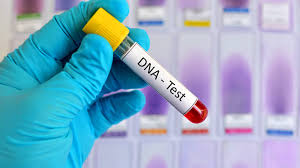
DNA testing has become one of the most trusted scientific tools for establishing biological relationships, resolving legal disputes, supporting immigration applications, and providing individuals with answers about their genetic connections. Over the last decade, advances in genetic technology have made DNA testing more accessible than ever before. Today, people can easily order a home DNA test kit or visit a collection facility for a legal DNA test. However, while DNA testing is widely available, not all testing providers operate under the same standards of quality and accuracy.
For individuals seeking answers that may affect their personal lives, legal rights, or family relationships, choosing an accredited DNA testing provider is essential. Accreditation serves as proof that a laboratory follows recognized scientific standards, maintains strict quality control procedures, and consistently produces reliable results.
Whether someone is looking for a DNA test in Plano, seeking legal paternity testing, or ordering a convenient home DNA test kit, working with an accredited provider helps ensure that the results are scientifically valid and, when necessary, legally admissible.
Face DNA Test provides professional DNA testing services designed to meet high industry standards for accuracy, confidentiality, and reliability. By utilizing accredited laboratory partners and established testing procedures, Face DNA Test helps individuals and families obtain trustworthy results for both personal and legal purposes.
Understanding the importance of accreditation can help consumers make informed decisions when selecting a DNA testing service and avoid potential issues that may arise from using laboratories that do not follow recognized standards.
What Does Accreditation Mean in DNA Testing?
Accreditation is a formal process through which an independent organization evaluates a laboratory’s procedures, equipment, personnel, and quality management systems. When a laboratory receives accreditation, it demonstrates that the facility meets established industry requirements for performing DNA testing accurately and consistently.
Accredited laboratories must follow strict protocols regarding:
- Sample collection
- Sample transportation
- DNA extraction
- Laboratory analysis
- Result interpretation
- Quality assurance
- Data security
- Reporting procedures
Accreditation is not a one-time achievement. Laboratories are routinely audited and inspected to ensure continued compliance with established standards. These inspections help maintain the integrity of the testing process and ensure that laboratories consistently deliver reliable results.
For consumers, accreditation provides confidence that their DNA samples are being processed using validated scientific methods rather than unverified procedures.
quality and scientific standards that are set by recognized regulatory or scientific bodies. This includes the lab tests, accuracy, equipment and procedure.
Accredited laboratories must adhere to specific procedures to assure proper and uniform handling of DNA samples. They are regularly reviewed to maintain compliance with industry standards. This ensures that test results, both personal and legal, are scientifically valid, reliable and appropriate.
Why Accuracy Is Critical in DNA Testing
DNA testing often influences significant personal and legal decisions. A DNA test result may determine biological parentage, confirm family relationships, support immigration cases, or resolve inheritance disputes.
Because the outcomes can have lasting consequences, accuracy is essential.
For example, a paternity test may determine whether a father has legal rights and responsibilities toward a child. In an immigration case, DNA evidence may help establish family relationships required by immigration authorities. In inheritance disputes, DNA results may determine who is legally entitled to assets and property.
Accredited laboratories implement multiple quality control measures to minimize the possibility of errors. Samples are carefully tracked throughout the testing process, and laboratory personnel follow detailed procedures designed to ensure accurate results.
These safeguards help protect individuals from the consequences of incorrect or unreliable testing outcomes.
The Role of Quality Control in Accredited Laboratories
Quality control is one of the most important components of DNA testing. Accredited laboratories maintain comprehensive quality management systems to ensure accuracy at every stage of the testing process.
These systems include:
Staff Training
Laboratory technicians receive extensive training in DNA analysis techniques and quality assurance procedures. Continuous education helps staff remain informed about new technologies and evolving industry standards.
Equipment Maintenance
DNA testing relies on sophisticated scientific instruments. Accredited laboratories regularly calibrate and maintain equipment to ensure precise measurements and reliable performance.
Sample Monitoring
Every DNA sample is assigned a unique identification number and tracked throughout the testing process. This reduces the risk of sample mix-ups or contamination.
Internal Reviews
Laboratories conduct routine audits to identify and address potential issues before they affect testing outcomes.
External Assessments
Independent accreditation bodies periodically inspect laboratories to verify compliance with required standards.
Together, these measures help ensure that DNA test results remain accurate, consistent, and dependable.
Why Accreditation Matters in Legal DNA Testing
Legal DNA testing requires a higher level of documentation and oversight than personal DNA testing. Courts, government agencies, and immigration authorities often require DNA evidence to be produced by accredited laboratories.
This requirement exists because legal decisions must be based on reliable scientific evidence.
Accredited legal DNA testing provides:
- Court-admissible results
- Verified participant identification
- Strict documentation procedures
- Proper chain of custody
- Scientifically validated analysis
- Reliable reporting practices
Without accreditation, DNA test results may be rejected by courts or government agencies, even if the biological relationship is genuine.
This is why individuals involved in legal proceedings should always verify that their testing provider works with accredited laboratories.
Understanding Chain of Custody
One of the defining features of legal DNA testing is the chain of custody process.
Chain of custody refers to the documented handling of DNA samples from collection through final reporting. Every person who handles the sample is identified and recorded.
The process typically includes:
- Verification of participant identity using government-issued identification
- Collection by an authorized professional
- Secure packaging of samples
- Documented transportation to the laboratory
- Controlled laboratory processing
- Secure delivery of results
Maintaining a complete chain of custody helps ensure that samples have not been tampered with, substituted, or contaminated.
Because accredited laboratories follow strict chain-of-custody procedures, their results are generally accepted for legal purposes.
Accredited vs. Non-Accredited DNA Testing Services
Both accredited and non-accredited DNA testing services can examine genetic material, but they have varying degrees of reliability, regulation, and legality.
Accredited testing is subject to rigorous quality control procedures and is subject to regular inspections by governing bodies. These tests are legal, suitable for court cases. Non-accredited services can also provide personal information that can be beneficial, but are not necessarily subject to the same levels of regulation and are not always recognised in legal proceedings. This means that an accredited test is more likely to be reliable for official purposes, while a non-accredited test will mostly be used for personal purposes.
Accredited DNA Testing
Accredited DNA testing laboratories:
- Follow strict quality standards
- Undergo regular inspections
- Maintain detailed documentation
- Use validated scientific procedures
- Provide court-admissible results
- Follow chain-of-custody requirements
- Employ trained laboratory personnel
Non-Accredited DNA Testing
Non-accredited services may:
- Operate under less stringent standards
- Lack independent oversight
- Provide limited quality assurance
- Offer results intended only for personal knowledge
- Be unsuitable for legal proceedings
Although non-accredited testing may be less expensive, it often lacks the safeguards necessary for situations where accuracy and legal acceptance are important.
Legal Situations That Require Accredited DNA Testing
Accredited DNA testing is commonly required in a variety of legal and governmental situations.
Child Custody Cases
Courts may require DNA evidence when determining parental rights, custody arrangements, or child support obligations.
Paternity Establishment
Legal paternity testing helps establish biological parentage and may affect custody, visitation, inheritance, and support matters.
Immigration Applications
Immigration authorities sometimes request DNA testing when documentary evidence is insufficient to prove a biological relationship.
Adoption Proceedings
DNA testing may be used to verify biological relationships during certain adoption-related processes.
Inheritance Disputes
DNA evidence can help establish family relationships when inheritance rights are questioned.
Estate Claims
Accredited DNA testing may provide evidence needed to support estate-related claims involving biological family members.
In these situations, accredited testing provides the documentation and scientific reliability required for official review.
DNA Testing for Immigration Purposes
Immigration cases often involve proving biological relationships between family members living in different countries.
When birth certificates or other documents are unavailable or disputed, immigration authorities may request DNA testing as supporting evidence.
Accredited DNA testing helps establish relationships between:
- Parents and children
- Siblings
- Grandparents and grandchildren
- Extended family members
Because immigration cases often involve strict evidentiary requirements, accredited laboratories are essential for producing results that government agencies can trust.
Why Home DNA Test Kits Still Require Accredited Laboratories
Home DNA test kits have become increasingly popular because they offer convenience and privacy. Individuals can collect DNA samples from the comfort of their own homes and send them to a laboratory for analysis.
However, the quality of the laboratory remains just as important as the collection process.
Even when using a home DNA test kit, consumers should ensure that the testing provider works with accredited laboratories.
An accredited laboratory helps ensure:
- Accurate sample analysis
- Reliable reporting
- Secure handling of personal information
- Consistent quality standards
The convenience of home collection should never come at the expense of scientific accuracy.
Real-Life Case Study: Resolving a Paternity Question
A family contacted Face DNA Test seeking clarity regarding a long-standing paternity question. The issue had created uncertainty within the family for several years, affecting personal relationships and future planning.
The individuals involved wanted definitive answers supported by scientific evidence. After reviewing their options, they selected a DNA testing service that utilized accredited laboratory procedures.
Samples were collected according to established protocols and analyzed using advanced DNA testing methods. The results provided a clear and accurate determination of biological parentage.
Because the testing process followed accredited standards, the family felt confident in the reliability of the results. The findings helped resolve uncertainty, allowing family members to move forward with clarity and confidence.
Cases such as this demonstrate why accurate testing and accredited laboratory practices are so important. When life-changing questions depend on DNA evidence, individuals deserve results they can trust.
The Importance of Confidentiality and Data Security
DNA testing involves highly sensitive personal information. Accredited laboratories implement strict confidentiality and security measures to protect client data.
These measures often include:
- Secure sample storage
- Restricted laboratory access
- Encrypted digital systems
- Confidential reporting procedures
- Compliance with privacy regulations
Protecting genetic information is an essential part of maintaining public trust in DNA testing services.
Why Consumers Should Research DNA Testing Providers
Before selecting a DNA testing company, consumers should carefully evaluate the provider’s credentials and testing standards.
Important questions to consider include:
- Does the company use accredited laboratories?
- Are testing procedures clearly explained?
- Is legal testing available when needed?
- Does the provider follow chain-of-custody procedures?
- Are customer support services available?
- Are privacy protections in place?
Taking the time to research these factors can help consumers avoid unreliable services and ensure accurate results.
Why Face DNA Test Is a Trusted Choice
Face DNA Test is committed to helping individuals and families obtain accurate answers through professional DNA testing services. The company works with certified laboratory partners and follows established procedures designed to maintain quality, reliability, and confidentiality.
Whether clients require a DNA test in Plano, legal paternity testing, relationship testing, immigration DNA testing, or a convenient home DNA test kit, Face DNA Test provides dependable solutions supported by professional standards.
By focusing on accuracy, customer support, and scientifically validated testing methods, Face DNA Test continues to serve individuals seeking trusted DNA testing services for personal and legal purposes.
Conclusion
Accreditation plays a vital role in ensuring the accuracy, reliability, and legal acceptance of DNA testing results. Accredited laboratories follow strict scientific procedures, maintain rigorous quality control systems, and undergo regular evaluations to verify compliance with industry standards.
For individuals seeking answers about biological relationships, legal matters, immigration cases, inheritance disputes, or family connections, choosing an accredited DNA testing provider is one of the most important decisions they can make. Accreditation helps reduce the risk of errors, ensures proper handling of DNA samples, and provides confidence that results are scientifically valid.
Whether someone needs a legal DNA test, or a home DNA test kit, working with a trusted provider helps ensure dependable outcomes. Face DNA Test remains dedicated to delivering accurate, confidential, and professional DNA testing services that individuals and families can rely on.
When accuracy matters and important decisions depend on DNA evidence, accreditation is not simply a benefit—it is a necessity. Choosing an accredited provider such as Face DNA Test helps ensure that every result is backed by recognized scientific standards, professional procedures, and a commitment to quality.










Leave a Reply