
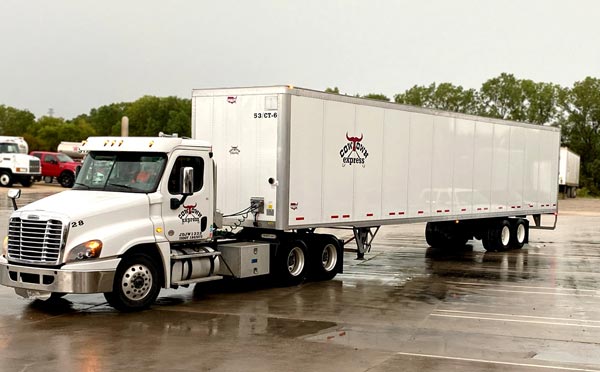
In the world of time-sensitive freight, Hotshot Dispatch plays a quiet but essential role. It connects independent drivers and small carriers with urgent loads that need to move quickly, often across short to medium distances. Unlike traditional freight operations, hotshot trucking focuses on flexibility, speed, and efficiency, making dispatching a critical part of keeping everything running smoothly.
For owner-operators and small fleet owners, understanding how dispatch works in this niche can make a measurable difference in profitability, route planning, and workload balance.
What Is Hotshot Dispatch and How Does It Work?
Hotshot dispatch refers to the coordination of urgent, smaller freight loads using medium-duty trucks and trailers. A hotshot dispatcher acts as the intermediary between shippers and drivers, identifying suitable loads, negotiating rates, and organizing schedules.
In practical terms, dispatchers monitor load boards, communicate with brokers, and ensure that drivers are assigned loads that align with their capacity and location. Because hotshot trucking often involves last-minute or time-critical shipments, dispatch decisions must be quick and informed.
For example, a construction company in Texas might urgently need equipment delivered to a job site. A dispatcher finds a nearby driver with the right trailer, negotiates the rate, and ensures pickup and delivery happen within a tight window.
The Role of a Hotshot Dispatcher in Daily Operations
A skilled hotshot dispatcher does more than just assign loads. Their responsibilities often include:
- Reviewing load boards and freight listings
- Negotiating rates with brokers or direct clients
- Planning efficient routes to reduce empty miles
- Managing communication between drivers and customers
- Handling paperwork, including rate confirmations and compliance documents
In busy freight regions like Texas, where demand for hotshot dispatch service in Texas remains steady due to oil, construction, and agriculture industries, dispatchers must stay updated on market trends and pricing fluctuations.
A dispatcher’s ability to reduce downtime and avoid low-paying loads can directly impact a driver’s weekly earnings.
Key Benefits of Using Hotshot Dispatch Services
For many independent drivers, working with professional hotshot dispatch services offers practical advantages without removing their independence.
Better Load Access
Dispatchers often have access to multiple load boards and broker networks, increasing the chances of finding consistent work.
Time Savings
Instead of spending hours searching for loads, drivers can focus on driving while dispatchers handle negotiations and scheduling.
Rate Negotiation
Experienced dispatchers understand market rates and can negotiate fair pricing, especially during high-demand periods.
Reduced Stress
Managing routes, paperwork, and communication can be overwhelming. Dispatchers streamline these processes.
In states like Florida, where seasonal demand affects freight movement, hotshot dispatch services in Florida can help drivers adapt quickly to shifting load availability.
How Hotshot Dispatch Differs from Traditional Truck Dispatch
While both traditional trucking and hotshot trucking rely on dispatchers, the nature of the work is quite different.
Hotshot dispatch typically involves:
- Smaller loads and faster turnaround times
- Greater reliance on pickup trucks and gooseneck trailers
- More flexible schedules, often without long-term contracts
- Higher emphasis on urgent or same-day deliveries
Traditional dispatch, on the other hand, often deals with full truckload (FTL) shipments, fixed routes, and longer planning cycles.
Because of these differences, hotshot dispatch companies need to operate with agility. Decisions are often made in real time, and dispatchers must balance speed with cost efficiency
Real-World Scenario: A Day in Hotshot Dispatch
Consider a driver based in Houston, Texas. Early in the morning, a dispatcher identifies a load requiring immediate delivery to a nearby city. The dispatcher checks the driver’s availability, confirms equipment compatibility, and negotiates a rate with the broker.
After completing the delivery, the dispatcher quickly secures another load heading toward a different region, minimizing empty miles. By the end of the day, the driver has completed multiple short hauls, maximizing earnings without long idle periods.
This type of coordination is what makes hotshot dispatch valuable, especially in regions with high industrial activity.
Choosing the Right Dispatch Approach
Not every driver needs the same level of support. Some prefer full-service dispatch, while others only need occasional help finding loads.
When evaluating options, drivers often consider:
- Experience and market knowledge
- Transparency in communication
- Fee structure and payment terms
- Ability to secure consistent loads
A name like EverMark Dispatchers may come up in discussions within industry circles, particularly among drivers looking for structured dispatch support. However, the right choice ultimately depends on individual needs, routes, and workload preferences.
Challenges in Hotshot Dispatch
Despite its benefits, hotshot dispatch is not without challenges.
Market Fluctuations
Freight rates can vary significantly based on demand, fuel prices, and seasonal trends.
Competition
With more drivers entering the market, securing high-paying loads can become more competitive.
Time Pressure
Urgent deliveries require quick decisions, which can sometimes lead to logistical complications if not managed carefully.
Compliance Requirements
Even small-scale operations must adhere to regulations, including licensing, insurance, and safety standards.
A capable dispatcher helps navigate these challenges, but drivers still need to stay informed and proactive.
The Future of Hotshot Dispatch in the USA
As e-commerce, construction, and energy sectors continue to grow, the demand for fast, flexible freight solutions is expected to rise. Hotshot trucking fits well into this evolving landscape, especially for last-minute or specialized deliveries.
Technology is also shaping dispatch operations. Load-matching platforms, GPS tracking, and digital documentation are making it easier for dispatchers to coordinate efficiently.
In regions like Texas and Florida, where freight demand remains strong, hotshot dispatch is likely to remain a key part of the logistics ecosystem.
Conclusion
Hotshot Dispatch serves as the backbone of a fast-moving segment within the trucking industry. By connecting drivers with time-sensitive loads, dispatchers help maintain efficiency, reduce downtime, and support steady income streams for independent operators.
Whether through hotshot dispatch services, independent coordination, or specialized hotshot dispatch companies, the goal remains the same: moving freight quickly and reliably. As the industry continues to evolve, the importance of skilled dispatching will only become more evident, especially in high-demand regions across the United States.











Leave a Reply