
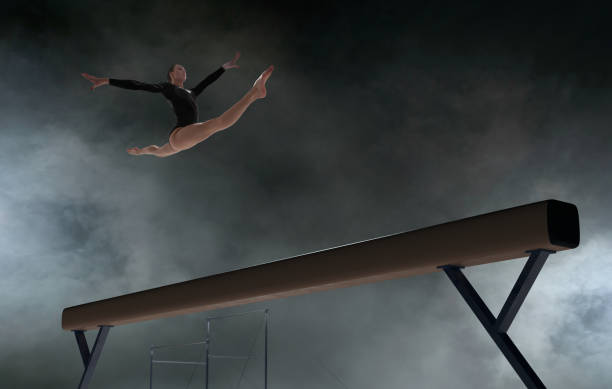
In the world of gymnastics, few apparatus demand as much precision, composure, and mental strength as the Gymnastics Beam. Measuring just 10 centimetres wide, this narrow platform transforms even the most basic movement into a true test of balance and control. While every discipline in gymnastics requires dedication, the beam stands apart as the ultimate challenge where focus and skill must work in perfect harmony.
The Unique Challenge of the Gymnastics Beam
Unlike floor routines or vault, the Gymnastics Beam leaves no room for error. One misstep can disrupt an entire performance. The limited surface area forces gymnasts to maintain absolute control over every movement, from leaps and turns to acrobatic elements.
Balance alone is not enough. A successful beam routine demands rhythm, elegance, and confidence. Each movement must appear effortless, even though immense concentration lies behind every step. This combination of artistry and athleticism is what makes the Gymnastics Beam so compelling to watch and so difficult to master.
Focus: The Deciding Factor
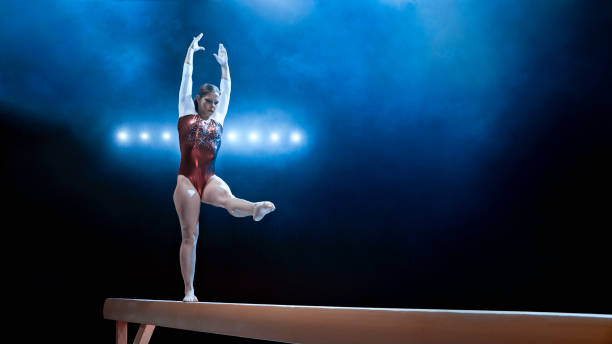
Focus is arguably the most critical skill required on the beam. External distractions, pressure from competition, and even internal doubts can affect performance. A gymnast must remain mentally present at all times, blocking out everything except the routine.
Unlike other apparatus, where minor errors can sometimes be recovered, the beam punishes lapses in concentration immediately. This makes mental discipline just as important as physical ability. Training often includes techniques to improve concentration, such as visualisation and repetition, ensuring that each routine becomes second nature.
Precision and Technique
The Gymnastics Beam demands flawless technique. Every landing must be controlled, every turn aligned, and every leap executed with exact timing. Even a slight imbalance can lead to deductions or a fall.
Training for this level of precision often begins on safer surfaces. Equipment such as an Air track or Airtrack provides a forgiving environment where skills can be practised without the immediate risk of injury. These tools allow gymnasts to refine movements before transitioning onto the beam.
Similarly, practising on a Gymnastics Bar or Gymnastics Bars helps develop upper body strength and coordination, both of which contribute to overall performance. While these apparatus differ from the beam, the strength and control gained from bar training play a crucial role in maintaining stability during complex routines.
Building Confidence Through Training
Confidence is essential when performing on the Gymnastics Beam. Without it, hesitation can creep into movements, increasing the likelihood of mistakes. Building confidence requires consistent practice and gradual progression.
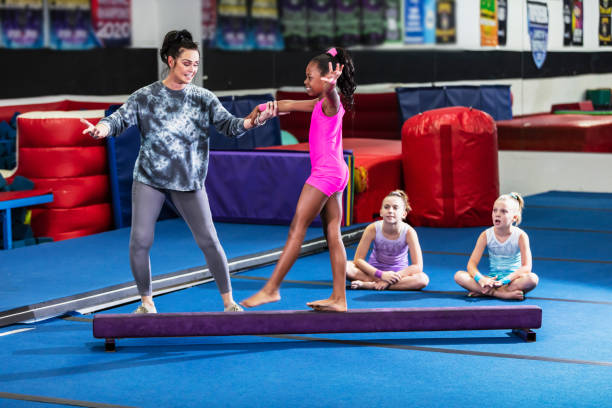
Many gymnasts start with low beams or floor lines before advancing to the full-height apparatus. Training aids, including Airtrack surfaces, provide a safe space to practise new skills. Over time, repeated success builds the assurance needed to perform confidently under pressure.
A trusted equipment provider such as AirTumble plays an important role in this process. High-quality training equipment ensures safety and supports skill development at every stage. Reliable apparatus allows gymnasts to focus fully on improving technique and performance.
The Role of Strength and Flexibility
While balance and focus are central, strength and flexibility are equally important on the Gymnastics Beam. Core strength stabilises the body during movements, while flexible muscles enable graceful transitions and extended lines.
Training on Gymnastics Bars helps develop the upper body strength required for mounting the beam and executing certain skills. Meanwhile, conditioning exercises improve overall control, allowing for smoother and more precise routines.
Flexibility enhances performance by enabling higher leaps and more elegant positions. Combined with strength, it creates the fluidity that defines a successful beam routine.
Handling Pressure in Competition
The Gymnastics Beam becomes even more challenging in a competitive setting. The presence of judges, an audience, and the knowledge that scores are at stake can intensify pressure.
A gymnast must remain composed and confident despite these factors. Mental preparation is key. Techniques such as controlled breathing and routine visualisation help maintain focus during high-pressure moments.
Unlike other events, where speed or power might dominate, the beam rewards calmness and control. A composed performance often stands out more than one filled with ambitious but unstable elements.
Why the Beam Stands Above the Rest
Every gymnastics apparatus has its own challenges, yet the Gymnastics Beam uniquely combines physical skill with mental resilience. It requires balance, strength, flexibility, precision, and unwavering focus—all performed on a surface no wider than a smartphone.
This combination makes the beam not just a test of ability, but a true measure of discipline and determination. Mastery of the beam reflects a gymnast’s overall capability, showcasing both technical excellence and mental strength.
Conclusion
The Gymnastics Beam remains one of the most demanding and respected events in gymnastics. Its narrow surface challenges even the most experienced athletes, requiring a perfect blend of focus, skill, and confidence.
With the support of proper training tools such as an Air track, Airtrack surfaces, and strength-building equipment like Gymnastics Bars, gymnasts can develop the abilities needed to succeed. Providers like AirTumble contribute by offering reliable equipment that supports safe and effective training.
Ultimately, the Gymnastics Beam is more than just an apparatus—it is the ultimate test of a gymnast’s dedication, composure, and mastery.
FAQ
1. Why is the Gymnastics Beam considered so difficult?
The Gymnastics Beam is only 10 centimetres wide, leaving very little room for error. It requires exceptional balance, precision, and mental focus, making it one of the most challenging apparatus in gymnastics.
2. How can beginners practise safely for the beam?
Beginners often start on low beams or use an Airtrack to practise skills in a safer environment before progressing to the full-height beam.
3. What skills are most important for beam performance?
Key skills include balance, focus, strength, flexibility, and precise technique. Mental control is just as important as physical ability.
4. How do Gymnastics Bars help with beam training?
Gymnastics Bars build upper body strength and coordination, which contribute to overall stability and control on the beam.
5. What role does equipment play in training?
High-quality equipment from providers such as AirTumble ensures safety and supports effective skill development, helping gymnasts build confidence and improve performance.











Leave a Reply