
Walk through a neighborhood like Gowanus or Park Slope and you can feel it.
Creativity is everywhere.
Kids are humming on the sidewalk.
Music drifting out of open windows.
Someone, somewhere, is trying something new.
That’s Brooklyn.
And lately, more families are looking for ways to help their kids step into that energy—not just as listeners, but as creators.
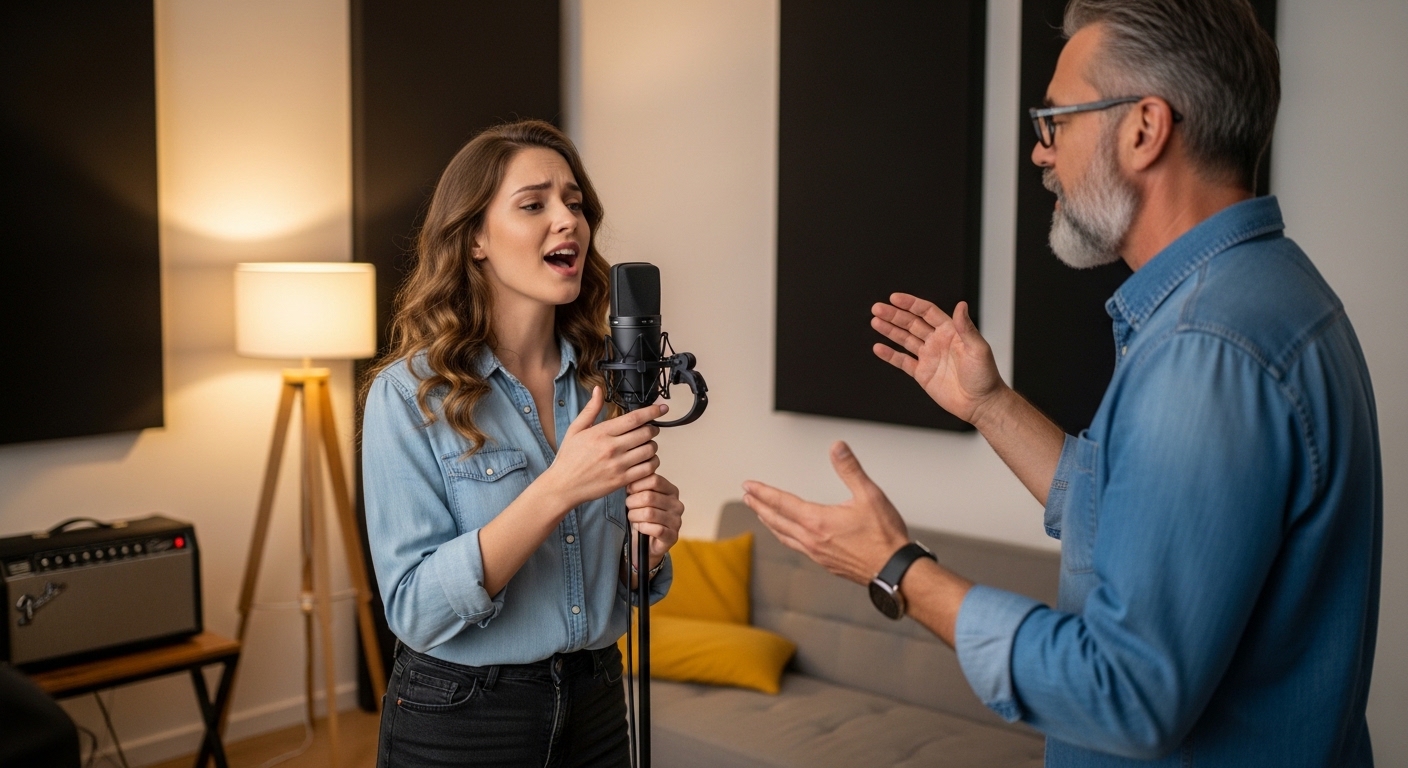
That’s where singing lessons in Brooklyn come in.
But here’s the challenge: with so many options, how do you choose something that actually helps your child grow—not just “take lessons”?
Because the right program doesn’t just teach singing.
It builds confidence, creativity, and a sense of belonging.
Why Choosing the Right Vocal Program Matters
Not all music lessons feel the same.
Some feel like school.
Some feel like pressure.
And some feel like a place where a kid can actually be themselves.
That last one? That’s the goal.
The best singing lessons in Brooklyn treat music like something you do, not something you perfect.
When a student finds the right fit, they don’t just learn to sing.
They learn how to:
- Speak up
- Take creative risks
- Share ideas without fear
And that’s where the real growth happens.
Step 1: Start with What Your Child (or You) Actually Wants
Before choosing a program, zoom out for a second.
What’s the goal?
Is it:
- Building confidence?
- Having a creative outlet?
- Learning to write songs?
- Just trying something new?
In Brooklyn, there are programs for all of it.
Look for:
- A mix of musical styles (pop, indie, original music)
- Teachers who ask what students want to sing
- Opportunities for songwriting—not just covers
Why it matters:
When students connect with the music, they stay engaged.
And when they stay engaged, progress happens fast.
Step 2: Find a Place That Feels Like a Second Home
This one matters more than most people expect.
Singing is personal.
You are the instrument.
So if the environment feels tense or judgmental, students hold back.
Look for:
- A welcoming, inclusive atmosphere
- Teachers who feel like mentors (not just instructors)
- Spaces where creativity is encouraged—not corrected constantly
Why it matters:
Confidence doesn’t grow in high-pressure environments.
It grows where students feel safe enough to try.
Step 3: Decide Between Private, Group, or Both
There’s no one “right” format—just the right mix.
Private lessons help with:
- Technique
- Personalized feedback
- Individual goals
Group classes build:
- Confidence
- Collaboration
- Real musical experience
The best programs combine both.
Why it matters:
Private lessons teach the how.
Group lessons teach the why.
And when kids experience both, everything clicks faster.
Step 4: Look at How They Teach (Not Just What They Teach)
A great teacher doesn’t just run exercises.
They create moments.
In a place like Brooklyn, you want instructors who are creators themselves—people who understand that music is about expression, not just accuracy.
Look for:
- Songwriting and improvisation are built into lessons
- Active, engaging sessions (not just standing and repeating)
- Teachers who adapt to different ages and personalities
Why it matters:
If lessons feel rigid, students lose interest.
If lessons feel creative, students lean in.
Step 5: Make Sure There’s a Path to Sharing
Music is meant to be shared—but that doesn’t mean high-pressure recitals.
The best programs offer:
- Casual performances
- Community showcases
- “Family jam” style events
Why it matters:
When students share their voice in a supportive setting, they learn something powerful:
I can do this.
And that confidence carries everywhere.
What This Looks Like in Real Life
We see this transformation all the time.
A student walks in quiet.
Unsure.
Not ready to be heard.
They start small.
Singing in a group.
Trying short phrases.
Getting comfortable.
Then something shifts.
They sing a little louder.
They take more risks.
They start enjoying it.
And eventually, they share a full song.
That moment—being heard and supported—changes everything.
Tips for a Great First Lesson
If you’re just getting started, a few simple things can make a big difference:
Try Before You Commit
Look for trial classes or open houses.
You’ll know quickly if the vibe feels right.
Bring a Favorite Song
Music your child loves is the fastest way to build connection.
Watch the Room
Are students engaged? Smiling? Supporting each other?
That tells you everything.
Trust the Feeling
The best program isn’t always the fanciest.
It’s the one where your child feels comfortable walking in the door.
Frequently Asked Questions
What’s the best age to start singing lessons?
Many kids start exploring specific instruments around age 6, with more structured lessons developing around 7–8. But every child is different.
Do we need anything at home?
Nope. Your voice is the instrument. A quiet space and maybe a simple recording app can help.
Can adults take lessons too?
Absolutely. Many adults join to de-stress, build confidence, and reconnect with creativity.
How long before we see results?
Confidence often shows up right away. Musical skills build steadily over a few months.
Conclusion
Brooklyn is full of opportunities to explore music.
But the right singing lessons in Brooklyn do more than teach notes.
They help students:
- Build confidence
- Express themselves
- Feel like they belong
When music feels good, learning happens naturally.
And when a student finds their voice, it doesn’t stop in the classroom.
It shows up everywhere.
If you’re ready to start, explore programs in your neighborhood and find the one that feels right.
Because the goal isn’t perfection.
It’s helping someone feel brave enough to be heard.





Leave a Reply